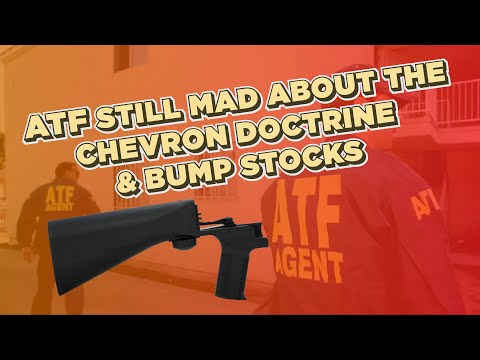
HOW TO CRUSH ATF IN 12 MONTHS: The FOUR Legal TRENDS 2A Supporters Should be Cheering on Now

Published on October 5, 2023
Duration: 10:55

This video analyzes four key legal trends impacting Second Amendment rights and the ATF's regulatory authority over the next 6-8 months. It highlights the Supreme Court's potential to overturn the Chevron Doctrine, strike down the bump stock ban, and rule favorably on pistol brace and frame/receiver regulations. The speaker, a constitutional attorney, emphasizes the importance of these cases for limiting executive agency overreach.

Quick Summary

The Chevron Doctrine grants administrative agencies like the ATF significant power by requiring courts to defer to their interpretations of ambiguous statutes. Overturning this doctrine, as potentially seen in Loper Bright Enterprises v. Raimondo, would shift interpretative authority back to the courts and Congress, limiting agency overreach.

Chapters

  1. 00:00Introduction: ATF Overreach and Supreme Court Agenda
  2. 00:26Speaker Introduction: Mark Smith, Constitutional Attorney
  3. 00:40Second Amendment Community's Regulatory Stance
  4. 01:01Understanding the ATF as an Executive Agency
  5. 01:13Government Powers vs. Individual Rights
  6. 01:56Supreme Court's Impact on ATF Authority
  7. 02:22Case 1: Loper Bright v. Commerce Dept. & The Chevron Doctrine
  8. 03:09What is the Chevron Doctrine?
  9. 04:21Why the Chevron Doctrine is Bad for the Second Amendment
  10. 05:58The Three Branches of Government and Law Interpretation
  11. 06:22Case 2: Bump Stock Cases Before the Supreme Court
  12. 06:26Supreme Court Conference on October 27th
  13. 07:00The Gudis, Harding, and Cargill Bump Stock Cases
  14. 08:09Victory for Second Amendment in Cargill Case
  15. 08:34Impact of Losing Bump Stock Case and Chevron Doctrine
  16. 09:02Case 3: Mock v. Garland - Pistol Brace Litigation
  17. 09:34Case 4: Frames and Receivers / Ghost Gun Regulations
  18. 09:40The Big Four: Key Items for the Next 6-8 Months
  19. 10:12Conclusion: Fighting for Freedom

Frequently Asked Questions

What is the Chevron Doctrine and why is it important for the ATF?

The Chevron Doctrine requires courts to defer to an administrative agency's interpretation of a statute it administers, if the statute is ambiguous and the interpretation is reasonable. This gives agencies like the ATF significant power to define and enforce laws, often leading to regulatory overreach that impacts Second Amendment rights.

Which Supreme Court cases are critical for Second Amendment supporters to watch?

Second Amendment supporters should monitor Loper Bright Enterprises v. Raimondo (challenging the Chevron Doctrine), cases on bump stocks (Gudis, Harding, Cargill), Mock v. Garland (pistol braces), and the Vanderstock case (frames and receivers). These cases will significantly shape ATF authority and gun rights.

What is the significance of the Supreme Court potentially overturning the Chevron Doctrine?

Overturning the Chevron Doctrine would shift interpretative power from administrative agencies like the ATF back to federal courts and Congress. This would limit the ATF's ability to unilaterally expand regulatory authority through its own interpretations of statutes, thereby reducing potential overreach.

What are the potential outcomes for the ATF if the Supreme Court rules against them in key cases?

If the Supreme Court strikes down the bump stock ban and overturns the Chevron Doctrine, it would represent a major blow to the ATF's regulatory power. Favorable rulings on pistol brace and frame/receiver cases would further limit the agency's ability to enact new restrictions via regulatory means.

Related News

All News →

More 2nd Amendment & Law Videos You Might Like

More from The Four Boxes Diner

View all →