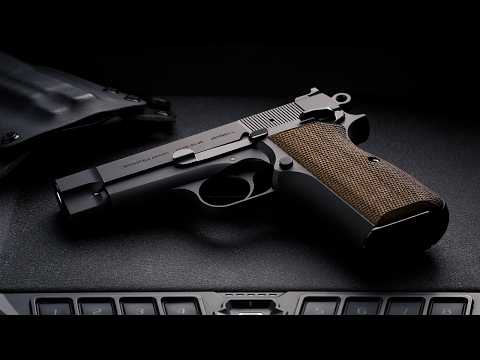
You Don't Want To End Up On The Wrong End Of THIS Gun!

Published on August 6, 2023
Duration: 7:17

This video features a review and shooting impression of a Springfield Armory 1911 in 9mm. The speaker highlights the comfortable ergonomics, crisp single-action trigger, and overall feel of the pistol. They also discuss the impact of weak magazine springs on shooting performance and the variability introduced by using mixed ammunition types, noting that it can lead to flyers and affect accuracy. The discussion touches on common shooting flinches and how to overcome them.

Quick Summary

The Springfield Armory 1911 in 9mm is appreciated for its comfortable ergonomics and a crisp, single-action trigger. However, weak magazine springs can cause malfunctions, and using mixed ammunition types can lead to accuracy issues due to flyer rounds. Overcoming flinching is crucial for consistent shooting performance.

Chapters

  1. 00:00Introduction to the Springfield Armory 1911
  2. 00:04Shooting the 9mm 1911
  3. 00:57Magazine Spring Issues and Impact
  4. 01:16Ammunition Variability and Flyers
  5. 01:53Identifying and Overcoming Flinching
  6. 02:351911 Trigger Feel and Performance
  7. 03:15Target Shooting and Accuracy Discussion
  8. 03:51What Makes the 1911 Great

Frequently Asked Questions

What are the key features of the Springfield Armory 1911 in 9mm?

The Springfield Armory 1911 in 9mm is praised for its comfortable ergonomics and a crisp, single-action trigger that breaks cleanly. It's noted for its excellent feel in the hand and during shooting, making it a popular choice for many firearm enthusiasts.

How do weak magazine springs affect a 1911 pistol?

Weak magazine springs in a 1911 can lead to feeding issues and premature slide movement. As seen in the video, a weak spring can cause the slide to go forward on an empty magazine, which can affect trigger function and overall reliability.

Why does using mixed ammunition types impact shooting accuracy?

Mixing different grain weight ammunition in the same magazine can introduce variability in recoil and bullet performance. This inconsistency can result in 'flyers,' where shots deviate from the intended point of impact, making consistent accuracy more challenging.

What is flinching in shooting, and how can it be addressed?

Flinching is an involuntary reaction to anticipate recoil or the trigger break. It can be identified by observing the shooter's body movements. Practicing a smooth trigger pull and focusing on a stable shooting platform are key to overcoming this habit.

Related News

All News →

More Reviews Videos You Might Like

More from GFG

View all →