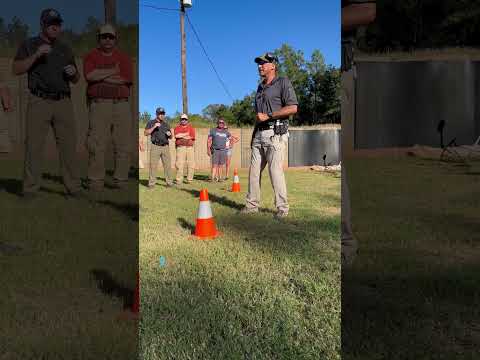
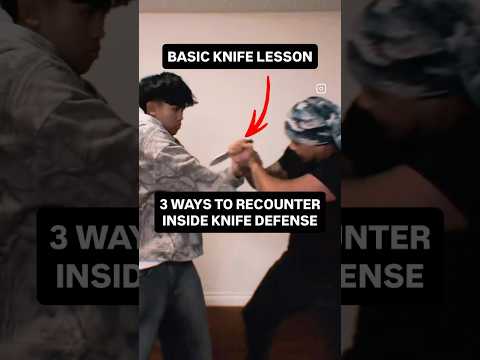
Knife Defense: Extreme Close Quarters. More in IG @Gn_funkertactical

Published on October 20, 2025
Duration: 1:24

This video demonstrates advanced knife defense techniques specifically for extreme close quarters. It emphasizes a series of thrusting and looping motions, numbered 5, 8, and 9, to be applied with pressure. The instruction highlights using the flow of movement to learn and pressure test these techniques, clearing high and low lines, and ultimately turning the tide to terminate the threat.

Quick Summary

Advanced knife defense for extreme close quarters involves specific thrusting sequences like 'Five', 'Eight', and 'Nine thrust', often incorporating looping motions. The techniques emphasize applying pressure, clearing high and low lines, and using the flow of movement to transition from defense to offense and terminate the threat.

Chapters

  1. 00:23Defensive Thrust Sequences (5, 8, 9)
  2. 00:32Looping Techniques in Close Quarters
  3. 00:38Applying Pressure in Extreme Close Quarters
  4. 00:55Clearing Low and High Lines
  5. 01:01Pushing the Threat Away
  6. 01:04Turning the Tide of Engagement
  7. 01:11Threat Termination Strategies
  8. 01:14Using Flow for Learning and Pressure Testing
  9. 01:21Bridging Classical and Realism

Frequently Asked Questions

What are the basic thrusting sequences taught for knife defense in extreme close quarters?

The video introduces numerical sequences for defensive thrusts: 'Five thrust', 'Eight thrust', and 'Nine thrust'. These are often combined with a looping motion, particularly the 'Nine thrust', to create effective defensive actions in confined spaces.

How can one effectively use movement and pressure in close-quarters knife defense?

The instruction emphasizes using the 'flow' of movement as a catalyst for learning and pressure testing. Applying 'a little bit of pressure' during these techniques in extreme close quarters is key to their effectiveness.

What does 'clearing the lines' mean in the context of knife defense?

'Clearing the lines' refers to defensive maneuvers designed to address threats at different levels. The video specifically mentions clearing a 'low line' and a 'high line', suggesting techniques to manage attacks coming from various angles.

How does one transition from defense to offense in a knife fight?

The video suggests that after executing defensive maneuvers like clearing lines and pushing the threat away, the goal is to 'turn the tide' of the engagement. This transition involves actively looking to 'terminate' the threat.

More Self Defense Videos You Might Like

More from Funker Tactical - Fight Training Videos

View all →