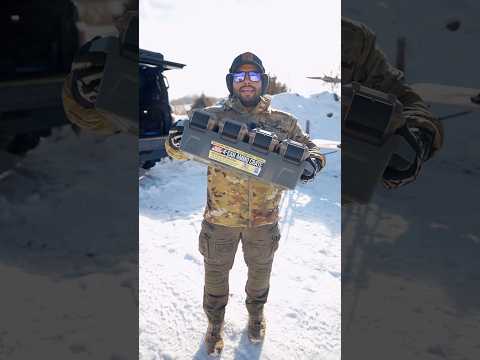
This video focuses on "Mobile Ammo Crate Cans," likely demonstrating various ways to store and transport ammunition in a portable and organized manner. The content will appeal to firearm owners who need practical solutions for ammunition management, whether for range days, competitions, or general storage. It addresses the need for accessible and secure carrying of essential ammunition supplies.
This guide details Joel Park's personal procedure for flying with firearms, emphasizing secure packing in locked cases, proper declaration to airlines, and adherence to TSA guidelines. He covers both handgun and rifle transport, including ammunition storage and the importance of using padlocks on all case locking points. The process aims to make firearm transport uneventful by following established protocols.
Ben Stoeger discusses viewer comments, emphasizing that firearms are tools and encouraging owners to use them rather than treating them as safe queens. He highlights the importance of skill development over equipment and addresses the emotional investment many people have in specific firearm brands and platforms, particularly the 2011. Stoeger also touches on practical aspects like ammunition transport and the high volume of shooting required for true expertise.
Instructor Mike explains the legal requirements for transporting firearms and ammunition in Illinois for individuals possessing a FOID card but not a concealed carry license. He details the four permissible states for a firearm during transport and clarifies the regulations regarding ammunition and loaded magazines, emphasizing safety and legal compliance.
This guide provides a three-step process for safely and legally flying with a firearm. It emphasizes understanding both TSA and airline-specific regulations, properly preparing the firearm and ammunition, and navigating the check-in process politely. Key recommendations include unloading firearms and magazines, using a secure locked case, and maintaining a cooperative attitude with airline staff.
Jeff Gonzalez of Trident Concepts provides essential guidelines for traveling with firearms on commercial airlines. Key advice includes ensuring firearms are unloaded before departure, using hard-sided and securely locked cases, arriving early at the airport, and properly declaring firearms to airline staff. The guide also covers ammunition transport regulations and what to do if a firearm is lost.
This guide details the process of flying with a firearm as checked baggage, emphasizing the importance of declaring the firearm at the check-in counter. It outlines the requirements for an unloaded firearm, a TSA-approved hard case, and proper locking procedures. The speaker, with extensive personal experience, shares practical advice on navigating airline procedures and potential TSA inspections, aiming to demystify the process for travelers.
This video provides essential guidance from Washington Gun Law President William Kirk on how to legally, safely, and responsibly travel domestically with a firearm. Amidst rising air travel and frequent TSA confiscations, the content aims to demystify the process for gun owners. It covers the basics of firearm transportation regulations, offering practical advice to avoid issues at airports. The video directs viewers to the Washington Gun Law website and the TSA's official resources for more in-depth information.
This video provides expert guidance on flying with firearms, emphasizing that airline policies, not just TSA rules, are paramount. Lucas Botkin, a firearms instructor, details how to properly pack firearms in locked hard cases, declare them to the airline, and manage ammunition. He advises against TSA locks, recommends documenting contents, and explains strategies for handling both standard and oversized checked baggage containing firearms and related gear.
Flying with firearms is legal and permissible by following specific TSA and airline regulations. Firearms must be declared, unloaded, and secured in a locked, hard-sided case within checked baggage. Ammunition must be in factory packaging. Lithium batteries from accessories like RMRs or weapon lights must be removed and placed in carry-on luggage. Always research destination laws and maintain control of your firearm case keys.
This guide details the use of the MTM Case-Gard 5-Can Ammo Crate Mini for organizing and transporting ammunition. It covers loading the crate, securing it during transport, and practical applications for range days. The speaker, an experienced prepper, highlights the benefits of this system over traditional metal cans for portability and organization.
This guide provides essential steps for safely and compliantly traveling with firearms, ammunition, and related gear via air travel. It emphasizes using a hard-sided, lockable case secured with non-TSA-compliant locks, ensuring firearms are unloaded and ammunition is in original packaging. The advice also highlights the importance of informing airline personnel and allowing ample time for the check-in process to avoid issues.
Gun Laws by State
Read firearms regulations for all 50 states + D.C.
Find Gun Dealers
Search licensed FFL dealers near you.