This video tests the performance of 1-karat diamond-tipped .45 ACP rounds fired from a 1911. The tests included a water jug penetration and a ballistics gelatin test. The diamond-tipped rounds, similar to FMJ, did not exhibit expansion and passed through both water jugs and the gelatin block cleanly, suggesting potential underperformance compared to traditional hollow points in this specific configuration. The presenter questions the effectiveness of .45 ACP hollow points in general based on these results.
This video debunks the myth that solid copper bullets require extremely high velocities for effective hunting performance. Through ballistics gel testing and analysis of 7 PRC loads using Barnes TTSX and LRX bullets, Gavin Gear demonstrates excellent expansion and weight retention across a wide velocity range, including lower velocities equivalent to longer ranges. The testing highlights the versatility and effectiveness of modern monolithic copper projectiles for various hunting scenarios and legal requirements.
This video presents a ballistic gel test of Scorpion 10mm 180 Grain JHP ammunition, comparing its performance from a Glock 29 (3.8-inch barrel) and a Glock 20 (4.6-inch barrel). The instructor, Tools&Targets, critiques the ammunition's claimed velocity and energy, deeming it "weak 10mm" compared to premium loads. Despite this, the gel test shows good expansion and penetration from both firearms, with the Glock 20 achieving slightly better results.
This video emphasizes that defensive ammunition selection should be based on performance and testing in the specific firearm, not marketing or brand reputation. Key performance indicators include reliable penetration (12-18 inches FBI benchmark), consistent expansion through barriers like clothing, and controllability for fast follow-up shots. The speaker, Ted from Line 45, highlights that barrel length, gun weight, and recoil tolerance significantly impact ammunition performance, making personal testing crucial.
Geoff Nemnich discusses his choice of the .22 ARC cartridge for coyote hunting as an upgrade from the .223 Remington. He highlights the .22 ARC's superior ballistics, increased muzzle velocity, and enhanced downrange performance. Nemnich also praises the terminal performance of Hornady's ELD-VT ammunition, noting its impressive expansion and devastating effect on coyotes, even at extended ranges.
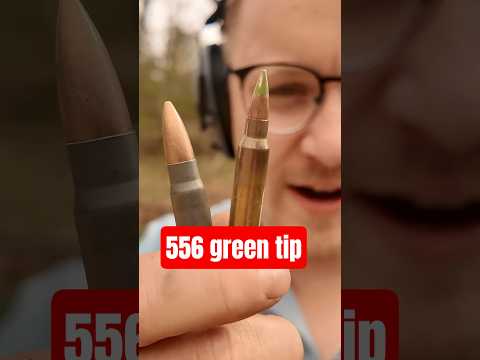
This video compares the terminal ballistics of 5.56x45mm NATO (M855 Green Tip) and 7.62x39mm (Tula) ammunition using gel block testing. The 5.56mm round demonstrated significant expansion and fragmentation, causing substantial damage to the test setup. The 7.62x39mm round, while also expanding, showed greater penetration, passing through the gel block and the table. The test highlights the different performance characteristics of these popular calibers in terms of tissue damage and penetration.
This gel block test compares the terminal ballistics of 5.56x45mm NATO M855 Green Tip and 7.62x39mm Tula ammunition. The 5.56mm round demonstrated significant expansion and tumbling, while the 7.62x39mm round showed similar width expansion but greater length and penetration. The test highlights the distinct terminal effects of these common rifle calibers.
This video details a comprehensive ballistic gel test of Hornady Custom 147 Grain 9mm ammunition, conducted by an experienced instructor. The test evaluates projectile performance through a heavy clothing barrier using two different handguns, the Canik Mete MC9 and FN 509, with detailed analysis of velocity, penetration, expansion, and weight retention. The instructor provides expert insights into the effectiveness of this ammunition for self-defense based on the empirical data gathered.
This video conducts a ballistic gel test of Hornady American Gunner 9mm XTP +P 124-grain ammunition fired from firearms with varying barrel lengths (3.3", 4.5", 7.5", and 10.5"). The test aims to observe the impact of barrel length on velocity, bullet expansion, and penetration depth in 10% ballistic gelatin. Results show significant expansion and penetration across all barrel lengths, with some surprising outcomes regarding wound cavity size and penetration depth between shorter and longer barrels.
TheYankeeMarshal, an experienced firearms instructor, offers a practical perspective on self-defense ammunition, prioritizing penetration over expansion. He argues against excessive concern for overpenetration, suggesting focus should be on accurate shot placement. The video also touches on New Jersey's JHP regulations and compares the perceived effectiveness of ball ammo versus hollow points.
This video details a ballistic gel test of Federal Hydra-Shok 110 grain .38 Special ammunition. The test utilizes a heavy clothing barrier and multiple firearm barrel lengths (2-inch, 3-inch, and 4-inch) to evaluate bullet expansion and penetration. The results indicate that the ammunition struggles to achieve consistent expansion through the barrier, particularly at lower velocities typical of shorter barrels.
This video provides an expert-level analysis of the .45 ACP cartridge's effectiveness, comparing it to 9mm. It delves into the historical context of its design by John Browning, its ballistics, and its performance in modern contexts. The analysis debunks myths like 'knockdown power' and emphasizes that shot placement, penetration, and expansion are key factors, with modern ammunition narrowing the performance gap between calibers. The video concludes that .45 ACP remains a viable and effective cartridge, especially for suppressed use, but stresses that shooter skill and training are paramount.
Gun Laws by State
Read firearms regulations for all 50 states + D.C.
Find Gun Dealers
Search licensed FFL dealers near you.