This video discusses concerns surrounding potential mergers or reorganizations of the DEA and ATF within the DOJ. While a full merger is deemed unlikely due to requiring congressional approval, the speaker expresses apprehension about ambiguous statements regarding agency restructuring. The core concern is that any reorganization, even without a formal merger, could lead to new bureaucratic structures that might negatively impact Second Amendment rights.
This video discusses the potential merger or consolidation of the ATF and DEA, highlighting that Attorney General Bondi confirmed such a move would require congressional approval. The speaker expresses concern that instead of a direct merger, agents are being reassigned under a new DOJ umbrella, creating an ambiguous entity with unclear funding and oversight. This shift is seen as potentially more concerning than a straightforward agency merger.
This video discusses a recent Supreme Court decision impacting the EPA's regulatory authority, with significant potential implications for the ATF and Second Amendment rights. The ruling challenges the principle of Chevron deference, which allows agencies to interpret broad statutes and create regulations with the force of law without direct congressional approval. The speaker, a firearms enthusiast and commentator, highlights how this could curb the ATF's practice of issuing new rules on items like bump stocks and braces, which have historically led to confusion and potential legal jeopardy for law-abiding citizens. The decision may provide a stronger legal footing for challenges against arbitrary ATF rulings.
The Yankee Marshal argues that the ATF is acting unconstitutionally as a rogue agency by reinterpreting, reclassifying, or expanding laws without congressional or judicial action. He asserts that only Congress can write laws and the courts can interpret them, not the ATF. This is presented as a deliberate strategy by politicians to disarm the populace without taking direct responsibility, with Congress granting the ATF unconstitutional authority.
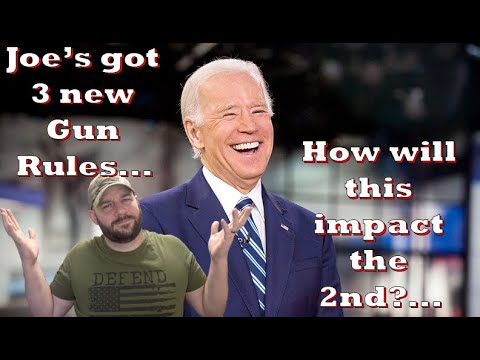
This video explains the implications of new DOJ regulations targeting 'ghost guns.' It clarifies that these are rules, not laws, developed through the federal rulemaking process and are subject to challenges, as seen with the bump stock ban. The speaker emphasizes the importance of public comments on proposed rules and highlights that the new definitions of 'firearm,' 'frame,' and 'receiver' aim to regulate weapon parts kits sold without background checks, impacting a small segment of firearm owners who build their own guns. The core message is that these actions showcase the executive branch's tactics and the need for citizen engagement in the legislative process.
You've reached the end! 5 videos loaded.
Gun Laws by State
Read firearms regulations for all 50 states + D.C.
Find Gun Dealers
Search licensed FFL dealers near you.