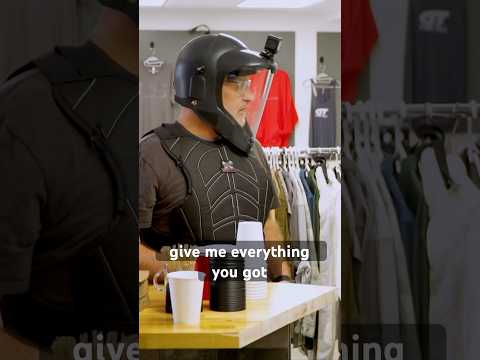
This video presents a comparison between Airsoft and Force on Force scenarios, likely highlighting the differences in realism, training applications, and equipment. The title explicitly mentions Airsoft and its related accessories and equipment. The focus is on contrasting these two training methodologies, potentially for tactical simulation or preparedness.
This YouTube video simulates an armed robbery scenario in a store, putting the protagonist's self-defense training to the test in a force-on-force exercise. It highlights the split-second decisions required in high-stress situations, with multiple attackers and bystanders present. The description promises expert breakdowns and real-world takeaways after the simulation, suggesting a focus on practical application of self-defense principles and training.
This video presents a force-on-force training drill simulating a road rage ambush. It focuses on testing an individual's judgment, situational awareness, and decision-making under extreme stress. The description highlights the realistic nature of the scenario, challenging viewers to consider their own potential responses. The content appears to be a snippet or promotion for a larger episode from "First Person Defender."
This video from @firstpersondefender analyzes a real-life scenario where a civilian intervenes in a mailman robbery, leading to a gunfight. The episode breaks down the individual's actions, highlighting what was done correctly and incorrectly, and emphasizes the critical role of decision-making under pressure. It features expert analysis of reactions, weapon handling, and defensive tactics to prepare viewers for unexpected events. The content encourages viewer participation and promotes subscribing for more similar educational episodes.
You've reached the end! 4 videos loaded.
Gun Laws by State
Read firearms regulations for all 50 states + D.C.
Find Gun Dealers
Search licensed FFL dealers near you.