This video provides a breakdown of the components of a Combat Application Tourniquet (CAT). It details the self-adhering strap, windlass strap, windlass rod, and windlass click. The instructor also touches on proper placement, recommending 2-3 inches above a wound, and discusses the 'hasty tourniquet' technique for situations where exact wound location is unknown.
This guide details the proper application of a Combat Application Tourniquet (CAT) for severe bleeding, emphasizing the 'high and tight' hasty method when wound location is unknown. It covers identifying tourniquet components, securing the limb, tightening the windlass for complete blood flow occlusion, and the critical step of recording the application time. The instruction highlights that significant pain from a properly applied tourniquet is an indicator of effectiveness.
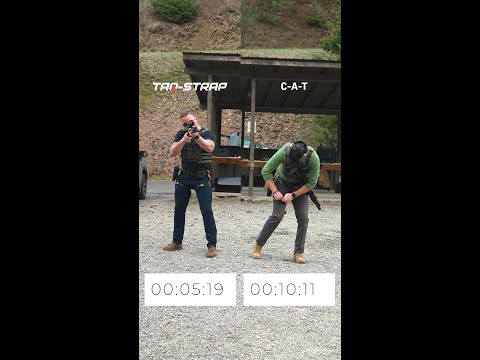
This video demonstrates a side-by-side comparison of hasty versus deliberate tourniquet application during a simulated shooting drill. Expert instruction highlights the significant time difference, with the hasty TAB-STRAP applied in approximately 5 seconds and the deliberate C-A-T in approximately 17 seconds. This emphasizes the tactical advantage of rapid medical intervention in high-stress scenarios.
You've reached the end! 3 videos loaded.
Gun Laws by State
Read firearms regulations for all 50 states + D.C.
Find Gun Dealers
Search licensed FFL dealers near you.