Mark W. Smith, a constitutional attorney and award-winning 2A advocate, analyzes a Third Circuit case concerning New Jersey's 'sensitive places' laws and their constitutionality under the Second Amendment. The discussion centers on the relevance of historical periods (1791 vs. post-Civil War) for interpreting the Second Amendment, highlighting the problematic origins of late 19th-century laws and the principle that later history cannot redefine pre-existing rights.
This video addresses the question of whether Juneteenth is a legitimate holiday. The host, from InRange TV, discusses comments received during the 160th Juneteenth celebrations at the Buffalo Soldiers National Museum. To explore the legitimacy and purpose of Juneteenth, the video features conversations with several living historians who were present at the event. Speakers include PVT. Kevin C. Chapman Jr., D.C. Overby, Alexis Glover-Oruh (an EMT and living historian of medical and surgical history), and Steve Thomas from Living History Co.
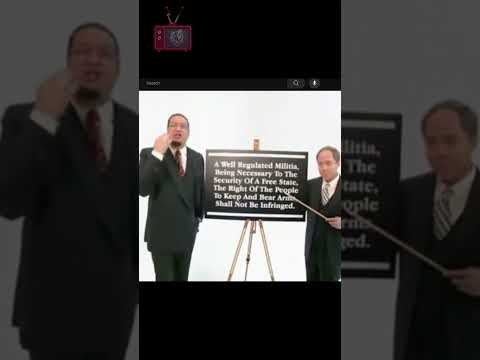
This video explores the hypothetical question of whether the Founding Fathers could have anticipated modern weaponry and how that foresight might have influenced their drafting of the Second Amendment. It delves into the technological advancements in firearms since the late 18th century, suggesting that their original intent might be interpreted differently in the context of today's arsenal. The video aims to present a counter-argument to common interpretations of the Second Amendment.
This video critically examines historical interpretations of the Second Amendment, specifically arguing that the Founding Fathers did not intend to grant firearm rights to individuals aged 18-20, referring to them as "infants" in the context of the era. The content appears to be a political or legal analysis rather than a practical firearms demonstration or review.
Colion Noir debunks Jon Stewart's arguments against the Second Amendment, focusing on historical context, statistical misinterpretations of gun violence, and the importance of individual self-defense rights. The analysis highlights the difference between historical and modern interpretations of 'well-regulated' and presents data on defensive gun use versus homicides.
This expert-level analysis, drawing from T.REX ARMS, delves into the historical interpretation of the Second Amendment. It emphasizes that 'arms' historically meant instruments of offense and defense, not just hunting tools, citing dictionaries and English Common Law like the Assize of Arms. The video highlights the Founding Fathers' intent, influenced by the American Revolution and subsequent Militia Acts, to ensure citizens possess military-grade arms, thereby vesting political power with the populace rather than solely the government.
You've reached the end! 6 videos loaded.
Gun Laws by State
Read firearms regulations for all 50 states + D.C.
Find Gun Dealers
Search licensed FFL dealers near you.