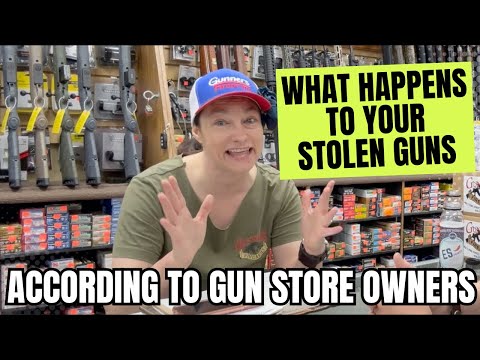
This video discusses the alarming rate of firearm thefts, particularly from vehicles, and the rapid 'time to crime' for stolen guns. It highlights that the vast majority of stolen firearms are not from FFLs but from individual owners, often due to unsecured storage. The discussion also touches on missing firearms from police evidence lockers and illegal sales by law enforcement personnel.
This video discusses the arrest of a former SIG Sauer employee, Patrick Gollet, for allegedly reselling hundreds of firearms purchased with an employee discount without a license. The discussion covers the legal implications of reselling firearms, the potential for federal charges, and the role of companies like SIG Sauer in preventing such activities. It also touches on the complexities of firearms regulations and the challenges faced by law enforcement in tracking illegal gun sales.
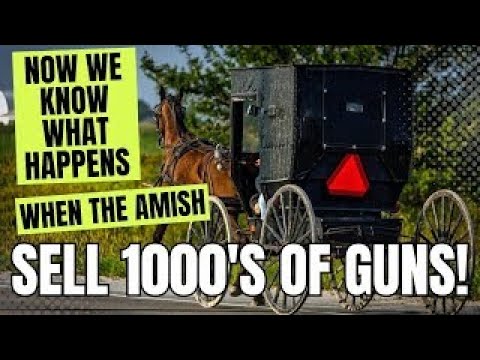
This video discusses the legal ramifications of selling firearms without a Federal Firearms License (FFL). It highlights a case where an Amish farmer was arrested for selling thousands of guns without an FFL, contrasting the potential penalties for illegal gun sales with the actual sentence received. The speaker suggests that the intent behind the sales and the recipients of the firearms significantly influence sentencing.
This video discusses the alarming speed at which stolen firearms are used in crimes, often within an hour of theft. It highlights that the vast majority of stolen firearms originate from personal vehicles and burglarized homes, not FFLs. The importance of documenting firearm ownership through serial numbers, receipts, and photographs is emphasized for legal protection.
This video discusses the proposed merger of the ATF and DEA, analyzing the potential impacts on firearms regulation and law enforcement capabilities. It highlights concerns about reduced ATF funding, potential loss of personnel, and the implications for combating illegal gun trafficking. The discussion also touches upon the ATF's historical functions and the broader debate surrounding Second Amendment rights.
This video discusses the significant issue of missing firearms and ammunition from federal law enforcement agencies, particularly ICE. A federal audit revealed approximately $100 million worth of guns and ammo were unaccounted for. Subsequent investigations found that 26,000 firearms used in crimes were traced back to federal agents, with a large portion linked to ICE. The video highlights concerns about accountability and the potential for these weapons to end up in criminal hands, including drug cartels.
This video from God Family and Guns critically examines the significant loss of firearms and ammunition from federal agencies, particularly ICE, totaling $100 million. The host, demonstrating high authority and expertise, details how these weapons are traced by the ATF and FBI, often reappearing in criminal hands along the Southern Border. The discussion highlights a perceived double standard in accountability between federal agencies and private citizens regarding firearm discrepancies.
The video discusses the legal ramifications of selling firearms without a Federal Firearms License (FFL). It highlights the ATF's focus on straw purchases and collectors selling personal firearms. A specific case involving an Amish farmer selling thousands of guns without an FFL is examined, contrasting his sentence with typical penalties for illegal gun sales. The speaker suggests intent and the destination of the firearms play a significant role in sentencing.
This video discusses the legal ramifications of selling firearms without a Federal Firearms License (FFL). It highlights the distinction between straw purchases, collectors selling personal collections, and a new category of individuals, exemplified by an Amish farmer, who sell guns as if they were a licensed dealer. The speaker notes that while typical penalties for illegal gun sales can include significant prison time and fines, the sentencing for the Amish farmer involved a $35,000 fine and one year of probation, suggesting intent and the destination of the firearms play a crucial role in judicial outcomes.
This video clarifies that any business transaction involving the procurement of firearms requires a Federal Firearms License (FFL). The speaker highlights a specific instance where a group aimed to procure approximately 100 firearms, emphasizing that such an operation, if conducted as a business, must adhere to federal regulations and occur at a licensed facility.
This video analyzes a restaurant, Edwins in Cleveland, Ohio, for allegedly promoting gun theft and committing federal felonies by buying guns off the street. The content creator argues this practice, described as 'virtue signaling,' could encourage theft, expose employees and students to criminal penalties, and jeopardize the restaurant's 501(c)(3) status due to potential straw purchases and gun trafficking. The video aims to educate viewers on the legal ramifications and societal impact of such actions, referencing an external article for further details.
This video discusses instances of law enforcement officers stealing firearms and ammunition. It highlights a specific case in Puerto Rico where an officer allegedly stole 64 guns and thousands of rounds of ammo, leading to an FBI arrest facilitated by an ATF inspection. The discussion also touches upon other cases where officers may have misused their access to acquire firearms for unauthorized purposes.
Gun Laws by State
Read firearms regulations for all 50 states + D.C.
Find Gun Dealers
Search licensed FFL dealers near you.