Mark W. Smith, a constitutional attorney and author, analyzes the indictment against Nicolas Maduro, clarifying that it does not undermine Second Amendment rights for law-abiding citizens. The charges focus on the criminal use of machine guns in narco-terrorism, specifically referencing 18 USC 924(c) for sentencing enhancements, rather than general firearm possession laws like 18 USC 922(o).
This video from Washington Gun Law TV, hosted by President William Kirk, details the indictment of former FBI Director James Comey on two felony counts. The charges stem from alleged false statements made to the Senate Judiciary Committee regarding authorization of anonymous sources in news reports related to the 'Crossfire Hurricane' investigation. The legal analysis focuses on 18 U.S. Code § 1001 (false statements) and 18 U.S. Code § 1505 (obstruction of congressional proceedings).
This video, titled 'Don’t Show It! That’ll Get You Indicted!', suggests a focus on firearms and potentially their legal implications or the risks associated with displaying certain types of firearms or modifications. The title implies a warning or caution, hinting at sensitive content related to gun ownership or regulations that could lead to legal trouble. Without further context from a description or transcript, the exact subject matter remains speculative but is clearly within the firearms domain.
This video discusses a complex legal situation in the Southern District of New York involving the indictment of New York City Mayor Eric Adams. The Department of Justice under the Trump administration sought to dismiss the indictment, but Judge Dale Hoe appointed former Solicitor General Paul Clement as amicus curiae to argue against the dismissal. The discussion highlights the strategic implications for Second Amendment law, drawing parallels to potential Supreme Court cases like Range and Reese, and explores the concept of prosecutorial discretion and the role of amicus briefs in shaping legal precedent.
This video delves into the complexities of self-defense legal representation, emphasizing the critical role of local attorney relationships and understanding community standards in court. It critiques the idea of relying on out-of-state retainer services for legal defense, highlighting how established local counsel can navigate jurisdictional nuances and judicial relationships more effectively. The discussion also touches on the importance of responsible gun ownership and the potential consequences of seeking conflict.
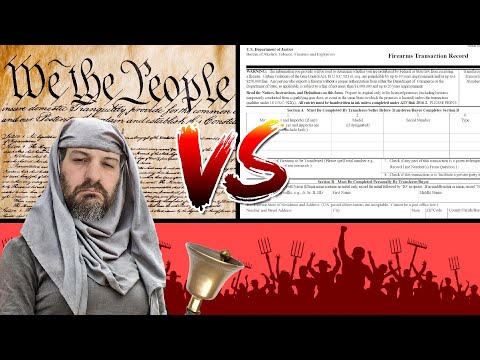
This video analyzes the Brown v. Ohio case, where an appellate court found Ohio's law prohibiting firearm possession while under indictment to be unconstitutional. The ruling emphasizes that under Bruen and Rahimi, disarming individuals requires a conviction and adjudication of danger, not merely an indictment. The analysis extends to the ATF Form 4473, suggesting its indictment-related questions may also be unconstitutional in light of current Supreme Court precedent.
This video analyzes a significant Ohio court decision regarding firearm possession while under indictment. Constitutional attorney Mark Smith explains how the court, applying Heller-Bruen methodology, ruled against an Ohio statute that prohibited firearm possession solely based on an indictment. The decision emphasizes the distinction between being indicted and being convicted, highlighting due process protections and the lack of historical precedent for such broad restrictions.
This video details the case of Russell Fincher, a part-time FFL holder, who was indicted on charges including dealing firearms without a license and selling ammunition to a prohibited person. The narrative highlights the ATF's aggressive actions during an inspection and subsequent indictment, leading Fincher to accept a plea agreement to avoid prison time. The content raises questions about ATF enforcement practices and the interpretation of firearms dealing regulations.
This video analyzes a recent legal development in the Hunter Biden gun case, where a federal judge denied his motion to dismiss the indictment without prejudice. Constitutional attorney Mark W. Smith discusses the Second Amendment arguments made by Biden's legal team and explains why the motion failed. The content also touches on other potential legal issues for Hunter Biden and suggests possible responses. The analysis is framed within the context of Second Amendment rights and broader constitutional liberties.
This video details the legal challenges faced by Dexter Taylor, a New York resident indicted for building firearms from parts. It highlights the complexities of New York's gun laws, particularly concerning 'ghost guns' and the difficulty of obtaining firearm licenses post-Bruen. The case raises questions about the constitutionality of current regulations and the practical implications for firearm enthusiasts in restrictive states.
This YouTube video discusses the news of Alec Baldwin being indicted again on manslaughter charges related to the Rust shooting incident. The title suggests the video will touch on Baldwin's attempt to blame the firearm. The description includes links to merchandise, a backup channel, and Patreon/Subscribestar for viewer support, indicating a creator-funded content model. The original score is by Madison Stegall and artwork by Daniel Greenfield.
This video features William Kirk, President of Washington Gun Law, discussing the legal defense strategy employed by Hunter Biden's attorneys. They are challenging three counts of an indictment on constitutional grounds, specifically referencing cases like Rahimi, Daniels, and Range to argue for dismissal. The video aims to educate viewers on how the "First Son" is reportedly embracing Second Amendment rights and encourages viewers to "arm themselves with education."
Gun Laws by State
Read firearms regulations for all 50 states + D.C.
Find Gun Dealers
Search licensed FFL dealers near you.