This video from the Shawn Ryan Show features a discussion with Sarah Adams, a former CIA targeter, about Jeffrey Epstein. The conversation explores the possibility of Epstein being a Mossad agent and how world leaders might engage in illicit activities without direct blackmail. The core argument suggests Epstein was part of a larger network involving powerful individuals and human trafficking, rather than an isolated figure.
This entry synthesizes expert insights from Shawn Ryan on the creation of the CIA from the OSS after World War II. It details J. Edgar Hoover's influence on counter-intelligence, OSS recruitment strategies involving foreign nationals, and the shift from overt operations to clandestine espionage. The information highlights the historical transition of intelligence gathering and operational methodologies.
This content reveals the extensive involvement of the CIA and SEAL leadership in the production of 'Zero Dark Thirty'. It highlights how political authorization allowed for unprecedented access for filmmakers, enabling them to consult with active duty SEALs and receive direct cooperation from the CIA, including introductions to the director and screenwriter by CIA Director Leon Panetta.
This video explores the controversial claim that the CIA, not the IRS, developed a 14-point checklist to categorize religious organizations for tax purposes. The guest suggests this was a method for intelligence agencies to control religious groups by leveraging their tax-exempt status. The discussion touches on the broad application of these criteria, even extending to organizations like the Hells Angels.
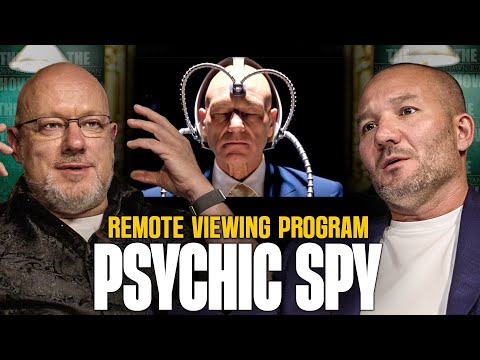
This video explores the fascinating capabilities of remote viewing and expanded human consciousness, featuring insights from Shawn Ryan and Sean Webb. It delves into historical consciousness research, the potential for shared consciousness, and practical applications in intelligence and law enforcement, including the use of binaural beats to induce specific brain states.
This video features Dana Loesch discussing the perceived tendency of intelligence agencies to favor leaks that align with a liberal agenda. The conversation is presented within the context of the "Stinchfield" program on NRATV. The content focuses on political commentary related to government institutions and their actions, rather than any specific firearm hardware or related activities.
This video features Bill Whittle discussing the politicization of intelligence agencies, advocating for a significant reform and 'house-cleaning' within these organizations. The core argument is that partisan influence is compromising national security. The discussion aims to address how these agencies have become entangled with political agendas and the necessity of restoring their integrity. The segment is presented as part of the "Stinchfield" program on NRATV.
You've reached the end! 7 videos loaded.
Gun Laws by State
Read firearms regulations for all 50 states + D.C.
Find Gun Dealers
Search licensed FFL dealers near you.