This drill, adapted from the pistol El Prez, tests a shooter's ability to rapidly switch rifle shoulders for engagement, simulating breaking cover in CQB scenarios. It emphasizes muscle memory for smooth transitions under time and accuracy constraints, requiring all 12 shots to be hits within 9 seconds at 7 meters.
This video demonstrates a weapon retention technique for rifles, emphasizing a strong, consistent pull into the body. By gripping further forward on the rifle, a shooter can increase their control and make it significantly harder for an adversary to disarm them. The technique aims to integrate the rifle with the shooter's entire frame for enhanced stability and retention.
This guide details a technique for shooting from inside a vehicle, emphasizing proper rifle storage and deployment. It covers methods for engaging targets through a windshield, including positioning the rifle over the shoulder for longer firearms and utilizing the windshield as a pivot point after creating an initial hole. The instruction is geared towards individuals with some firearms experience.
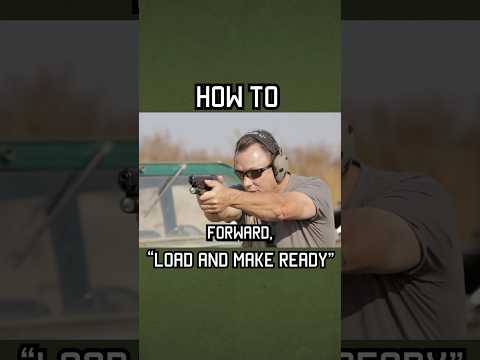
This guide details the proper procedure for loading and unloading both primary (rifle) and secondary (pistol) weapon systems, emphasizing a specific order for safety and efficiency. It covers visual chamber checks, magazine insertion techniques, slide/bolt manipulation, and accessory checks, concluding with the unloading process for both firearms. The instruction highlights the importance of securing the pistol first when loading to prevent an unsecured loaded rifle.
This video explains a fundamental technique in Close Quarters Battle (CQB) related to navigating corners and obstacles. It details the 'pieing' method, emphasizing the initial practice of keeping the muzzle close to the corner to understand movement dynamics before progressing to more fluid angle work. The instruction highlights the importance of understanding how to maneuver through environments with 'FUAs' (F***ed Up Angles).
This video emphasizes the critical importance of IR illuminators when using night vision in combat scenarios, particularly during hostage threat situations. It advises against activating illuminators prematurely during an assault countdown, suggesting instead to hold them until the actual assault begins. This tactic prevents the enemy from pinpointing friendly positions and allows for coordinated team movements. The speaker highlights that not using illuminators due to enemy night vision capabilities is a significant disadvantage, as it negates a powerful capability that adversaries may lack.
This video demonstrates the tactical technique for kicking in a door, emphasizing the importance of identifying door type (push vs. pull) and the correct impact point. It advises kicking hollow doors in the center and reinforced doors near the locking mechanism, while warning against kicking the knob. Proper foot placement and sufficient distance are highlighted for effective force generation.
This video details the principles and practical application of establishing a linear defense, crucial for large-scale combat or doomsday scenarios. It covers the transition from offense to defense, the construction of primary, supplementary, and alternate trench lines, and the strategic use of defensive obstacles like barbed wire. The importance of security, fatigue management through rotation, and adherence to priorities of work for individual soldiers is emphasized, drawing on experiences from modern conflicts.
This video demonstrates a tactical room clearing technique, emphasizing the importance of balance and economy of motion. Expert instruction from Tactical Rifleman highlights how to enter a room, clear sectors efficiently, and maintain a stable shooting platform during engagement. The demonstration covers active clearing steps, avoiding common mistakes like short-stepping, and finishing the sector effectively.
This expert-level entry details the formidable psychological impact and tactical deployment of the Minigun, drawing on firsthand combat experience in Sadr City. It highlights the weapon's overwhelming firepower, described as a 'garden hose' firing 3000 rounds per minute, and its historical use mounted on Humvees for lead vehicles or protection. While effective at breaking enemy morale and creating a significant visual deterrent, the entry also notes its limitations, such as a lack of penetration against concrete.
This entry details the purpose and function of the US Navy's TOPGUN program, drawing insights from an individual with direct experience as an Operations Officer at the Weapons School. The program focuses on evolving tactics to maintain fleet readiness and tactical supremacy, involving advanced training for select aviators who then disseminate these skills throughout squadrons via check rides.
This guide, presented by an expert from Tactical Rifleman, details the tactical advantage of using a knife as a secondary weapon in close-quarters engagements. It explains how a knife is harder to disarm than a pistol and can be used to create space for disengagement. The instruction emphasizes drawing a knife when a pistol is compromised, targeting vital areas for effect, and the ultimate goal of creating an opportunity to re-deploy a firearm.
Gun Laws by State
Read firearms regulations for all 50 states + D.C.
Find Gun Dealers
Search licensed FFL dealers near you.