This video critiques Candace Owens' interview style, arguing she avoids challenging experts to maintain her narrative. The speaker suggests this is an intentional strategy to prevent her viewpoints from being disproven. The content focuses on media analysis rather than firearm instruction.
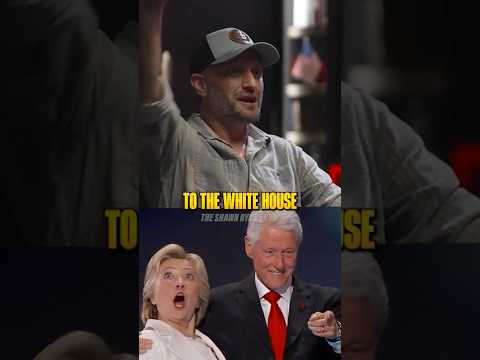
This video features Nick Shirley discussing how mainstream media outlets employ labels like 'MAGA YouTuber' or 'fascist' to de-legitimize his work as a journalist, rather than using accurate professional titles. Shawn Ryan adds that the overuse of such derogatory terms has diluted their impact, ironically protecting actual wrongdoers. The discussion highlights tactics used to control narratives and discredit opposing viewpoints.
This video appears to be a commentary on how media narratives can be misleading and encourages viewers to avoid engaging with sensationalized or biased content. While the title and description do not explicitly mention firearms, the phrase 'walk away from the bait' and the general tone could be interpreted as advice applicable to situations where firearms-related topics are misrepresented by the media. The focus is on critical thinking and avoiding media manipulation.
This entry details the legal and political ramifications faced by a former Navy SEAL whose book, 'No Easy Day,' challenged the official narrative of the Bin Laden raid. The speaker, drawing on his direct experience with DOJ investigations and the subsequent legal battles, critically analyzes how government entities may attempt to control information, particularly during election cycles, to shape public perception and protect political interests.
This entry analyzes the strategic use of podcasts as a platform for disinformation, as discussed by Shawn Ryan. It highlights tactics like planting narratives, building false credibility through predictions, and the manipulation of terminology to influence audience decisions. The content emphasizes the importance of critical media consumption and platform responsibility in combating deceptive information campaigns.
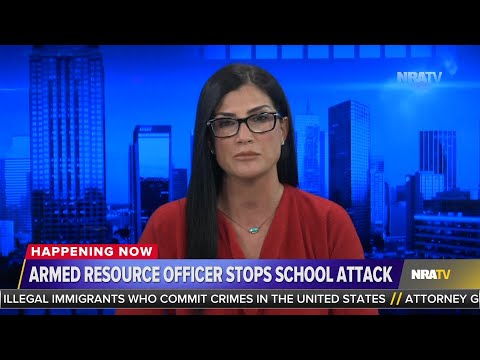
Dana Loesch discusses the media's perceived reluctance to cover the topic of self-defense, particularly for vulnerable individuals. She suggests this avoidance stems from a narrative disruption, as the media may not favor the idea of personal defense capabilities. Loesch, speaking from a mother's perspective, expresses her inability to comprehend this media stance.
You've reached the end! 6 videos loaded.
Gun Laws by State
Read firearms regulations for all 50 states + D.C.
Find Gun Dealers
Search licensed FFL dealers near you.