Ben Stoeger provides an update on the legal proceedings involving competitive shooter Bob Vogel. Vogel has accepted a plea deal, receiving five years of community control and a $10,000 fine, avoiding jail time for charges including pandering obscenity involving a minor and disrupting public services. The discussion highlights the specifics of the incident and the implications of Vogel's sentencing, including sex offender registration requirements.
This video features Ben Stoeger and Jon Birdt critically analyzing ongoing lawsuits against USPSA, focusing on governance failures and alleged mismanagement of member funds. They discuss specific legal challenges in Washington, Ohio, and Arizona, highlighting concerns about transparency, due process for board members, and the potential for organizational dissolution. The speakers express deep concern over leadership decisions and their impact on the shooting sports community.
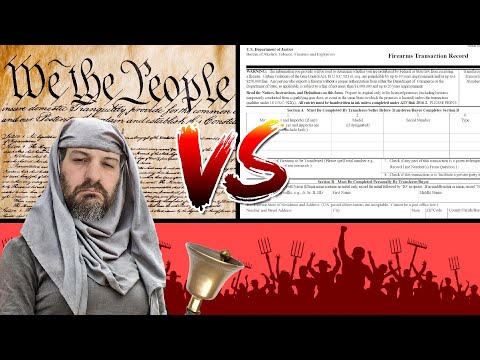
This video analyzes the Brown v. Ohio case, where an appellate court found Ohio's law prohibiting firearm possession while under indictment to be unconstitutional. The ruling emphasizes that under Bruen and Rahimi, disarming individuals requires a conviction and adjudication of danger, not merely an indictment. The analysis extends to the ATF Form 4473, suggesting its indictment-related questions may also be unconstitutional in light of current Supreme Court precedent.
This video analyzes a significant Ohio court decision regarding firearm possession while under indictment. Constitutional attorney Mark Smith explains how the court, applying Heller-Bruen methodology, ruled against an Ohio statute that prohibited firearm possession solely based on an indictment. The decision emphasizes the distinction between being indicted and being convicted, highlighting due process protections and the lack of historical precedent for such broad restrictions.
This video features Colion Noir discussing a critical incident where an Amazon driver used a firearm to defend against a carjacking attempt. Noir, an expert in Second Amendment law and firearm advocacy, provides insights into the legalities of self-defense in Ohio, emphasizing that deadly force is permissible for personal safety threats, not just property. He also highlights the conflict between driver safety needs and corporate policies that may prohibit firearm carriage.
This guide details a home defense scenario from Active Self Protection, emphasizing verbal warnings, the legal justification for using deadly force during a home invasion in Ohio under Castle Doctrine, and crucial post-incident procedures. It highlights the tactical advantages of doorbell cameras for evidence and communication, drawing on expert analysis from John Correia.
You've reached the end! 6 videos loaded.
Gun Laws by State
Read firearms regulations for all 50 states + D.C.
Find Gun Dealers
Search licensed FFL dealers near you.