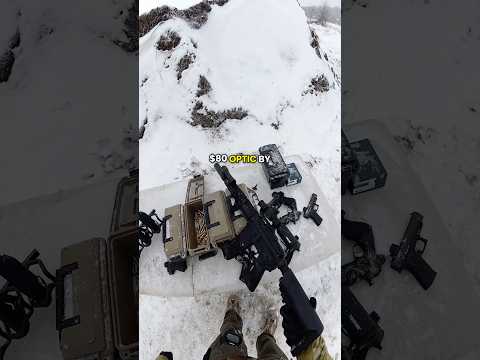
This video demonstrates the effectiveness of an $80 Triton LPVO (Low Power Variable Optic) from Amazon at 100 yards. The presenter shows multiple successful hits on various targets at distance, suggesting the budget optic is capable for its price point and suitable for beginners looking for an entry-level LPVO.
This video discusses the process of evaluating optic performance through practical shooting drills. The instructor emphasizes that consistent improvement in shooting skills is observed over time and with practice. Environmental factors like rain can significantly impact optic performance, particularly for red dot magnifier setups with multiple lenses compared to fixed-magnification optics like ACOGs. Achieving definitive conclusions about optic superiority requires extensive round counts and years of experience, likely revealing performance differences as percentages rather than drastic variations.
This discussion delves into the perceived value and market positioning of Lead and Steel optics, particularly the LP1. Speakers debate whether the optics offer competitive performance for their price point, with criticisms focusing on generic white-label origins and a lack of innovation compared to established brands. The conversation also touches on the company's marketing, customer service interactions, and the broader implications of supporting 2A-friendly companies.
This video details an observational test comparing open and closed emitter red dot sights during a full day of shooting in the rain. The instructor found that for rain exposure, open emitter sights performed adequately, with water generally not hindering sight picture to a significant degree. While snow or mud might present different challenges, rain alone did not cause failure in the tested open emitter optics.
This comprehensive review details a rigorous torture test of the Springfield Armory 1911 DS Prodigy, pushing it through over 2,000 rounds in a single day. Expertly conducted by Micah Mayfield, the test highlights the 2011 platform's potential for high-speed shooting and surprising accuracy, while also exposing common failure points related to optics and ammunition consistency under extreme conditions. The analysis provides practical insights into maintenance, reliability, and the real-world performance of a mass-produced 2011.
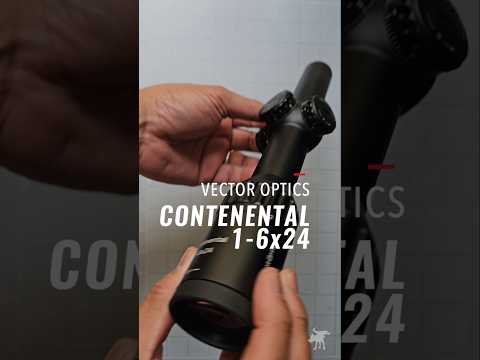
This review focuses on the Vector Optics 1-6x24 LPVO, highlighting its use of German Schott glass and ED glass as significant features for its price point. The reviewer notes impressive optical clarity, brightness, and color accuracy, along with a lightweight design and a daylight-bright reticle that aids in quick and accurate target acquisition. The scope is positioned as a budget-friendly option, priced well under $500, making it an attractive choice for those seeking quality optics without a premium cost.
This video evaluates the performance of a TPO KT scope at 1400 yards, specifically examining its optical qualities at various magnifications. The presenter details observations on color balance, edge sharpness, chromatic aberration, and light transmission from 5x to 40x power. The analysis highlights how magnification impacts image quality and the challenges of maintaining a usable eyebox at extreme zoom levels.
This video provides a critical review of the Springfield Armory Hellcat Pro, focusing on its shooting characteristics and perceived value. The presenter expresses significant dissatisfaction with the pistol's recoil, frame ergonomics, and the performance of the included optic, deeming it "snappy" and uncomfortable for extended use. While acknowledging its concealability for EDC, the reviewer suggests it's not ideal for range enjoyment or competition, ultimately recommending against purchasing it.
This video demonstrates the performance of the Telson Toxin 3-18x50 rifle scope at an extreme distance of 1400 yards. The presenter evaluates image clarity, brightness, and sharpness across its magnification range, from 3x to 18x, highlighting its effectiveness for long-range target acquisition and identification.
This video reviews a seemingly budget-friendly LPVO (Low Power Variable Optic) priced at $229, aiming to assess its accuracy and performance despite its affordable cost. The reviewer appears impressed with the optic's capabilities, suggesting it punches above its weight class in terms of precision. The content likely appeals to budget-conscious firearm owners looking for functional optics without breaking the bank.
This video tests the reliability of a Shadow Systems MR920 pistol with a Gideon Omega Red Dot optic after being subjected to extreme cold overnight. The firearm and optic were placed in a freezer, with additional dry ice used to ensure maximum cold. The test demonstrates that the firearm continues to function after being frozen, though the optic's lens fogs up.
This video appears to be a demonstration or experiment involving pouring water onto firearm optics. While the exact context or purpose is unclear from the title and description alone, it likely explores the effect of water on optic functionality, potentially for a review, testing, or informational purpose. The content aims to showcase a specific scenario related to firearm accessories.
Gun Laws by State
Read firearms regulations for all 50 states + D.C.
Find Gun Dealers
Search licensed FFL dealers near you.





![Pouring Water On My Optics [Will They Break]](https://i.ytimg.com/vi/_WpUWHnk380/hqdefault.jpg)