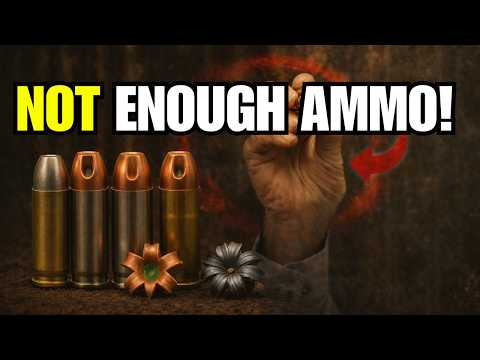
This video provides a baseline recommendation for ammunition quantities per firearm, drawing from military specifications and practical considerations. The speaker suggests 1,000 rounds per sporting rifle and handgun, and 500 rounds for hunting rifles and revolvers, emphasizing that these are minimums and additional practice ammunition is crucial.
This video highlights nine critical reasons why 9mm handgun owners need to pay close attention to current trends. It emphasizes the caliber's overwhelming popularity among civilians, law enforcement, and the US military, explaining how these factors create a high demand that can lead to shortages. The speaker details how military and law enforcement contracts receive priority, impacting civilian availability, and notes that first-time gun owners, preppers, and competition shooters also contribute significantly to 9mm consumption. The video warns that manufacturers are struggling to keep up with demand, and panic buying can deplete supplies rapidly.
This video provides expert guidance from Ted of Line 45 on determining the appropriate amount of ammunition for various scenarios. It emphasizes matching ammo reserves to the specific role of the firearm, whether for home protection, everyday carry, prepping, vehicle kits, or range training. The advice focuses on practical quantities that ensure reliability, allow for practice, and account for rotation and testing, rather than arbitrary 'magic numbers'.
This video provides expert advice on avoiding common ammo stockpiling mistakes. The instructor, with demonstrated experience, outlines three critical errors: overspending on ammo, accumulating excessive quantities, and improper storage. Key takeaways include focusing on preferred calibers and types (practice vs. defensive), establishing a practical round count per primary firearm (around 1000 rounds), and prioritizing climate-controlled storage to ensure longevity.
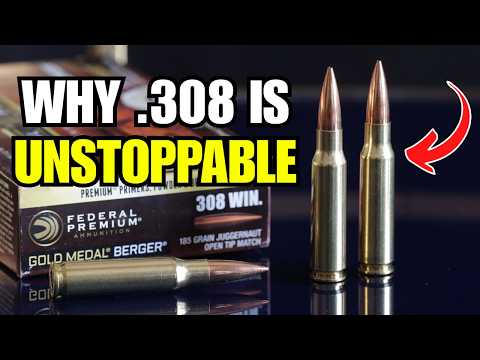
The .308 Winchester has surpassed hunting magnums in popularity due to its superior ammunition availability, lower cost for practice, and manageable recoil, leading to better accuracy and more ethical shots. Its versatility across various North American game, coupled with industry support for short-action platforms, makes it the practical choice for most hunters.
This video provides a breakdown of reasonable ammunition prices for five popular calibers: 9mm, 5.56/.223, 12 Gauge, 22 LR, and 38 Special. It differentiates between practice and defensive ammunition costs, offering specific per-round and bulk pricing guidelines to help consumers make informed purchasing decisions amidst rising costs.
This guide outlines the essential equipment and steps for a beginner's firearm training session at a shooting range. It emphasizes the importance of safety gear like ear and eye protection, selecting appropriate targets and ammunition for practice, and preparing your holster. An optional shot timer is also mentioned for timing draws and shots.
This video provides expert advice on avoiding common mistakes when stockpiling ammunition. It emphasizes a strategic approach to purchasing, focusing on quality and cost-effectiveness by buying incrementally and shopping around. The instructor recommends a target of 1,000 rounds per primary firearm and highlights the critical importance of proper, climate-controlled storage to ensure ammunition longevity.
AmmoSquared offers a service to help individuals budget and stockpile ammunition over time. Co-founder Danielle Morton explains that the system allows users to set budgets and payment intervals, with ammunition physically stored in their warehouses. This provides a secondary cash location for ammo, mitigating risks like natural disasters and ensuring availability during shortages, while also facilitating consistent training by automating shipments.
This video discusses the choice between .32 ACP and .45 ACP for older individuals, considering factors like wrist and hand issues. The speaker suggests that while .32 ACP is viable for those with significant joint problems, .45 ACP is generally recommended for self-defense due to its stopping power, advising practice with lighter loads and carrying with hotter ones. The discussion also touches on the importance of consistent manual of arms between practice and carry firearms.
This video provides a baseline recommendation for ammunition stockpiling, suggesting 1,000 rounds per sporting rifle and handgun, and 500 rounds for hunting rifles and revolvers. The instructor emphasizes that this is a starting point and additional ammunition is necessary for practice and training. The recommendations are partly based on military specifications for loaded magazines and reloads.
This video provides guidance on recommended ammunition quantities per firearm, suggesting a baseline of 1,000 rounds for sporting rifles and handguns, and 500 rounds for hunting rifles and revolvers. It emphasizes the need for additional practice ammunition and references military specifications for loaded magazines and reloads as a basis for these recommendations. The speaker notes that specific scenarios and firearm types can influence these figures.
Gun Laws by State
Read firearms regulations for all 50 states + D.C.
Find Gun Dealers
Search licensed FFL dealers near you.