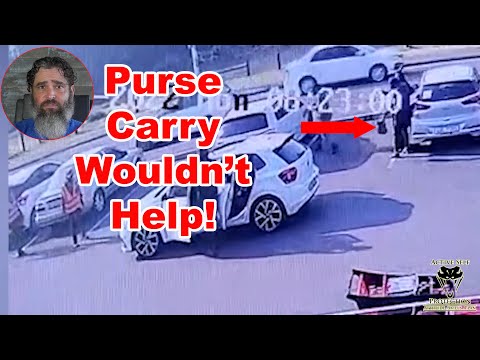
This analysis from Active Self Protection, hosted by John Correia, breaks down a real-world self-defense incident where a clerk successfully defended against armed robbers. It highlights critical lessons on everyday carry, purposeful compliance, identifying 'go signals,' the importance of sighted fire over point shooting, and the consequences of staging firearms. The video emphasizes learning from mistakes to improve personal defensive strategies.
This video from Active Self Protection, featuring expert John Correia, breaks down a defensive encounter where an off-duty officer successfully waited for the opportune moment to neutralize an armed robber. Correia emphasizes 'purposeful compliance,' waiting for a 'visual go signal,' and executing a rapid draw from an unconventional position. The guide covers the critical TAPIFS post-engagement protocol, highlighting the importance of a controlled draw and effective follow-through in a high-stress situation.
This analysis from Active Self Protection, led by John Correia, breaks down a self-defense incident where a store clerk successfully defended against an armed robber. It highlights key tactical concepts such as purposeful compliance, the OODA loop, and the importance of consistent daily carry. The expert analysis emphasizes achieving rapid draw times and understanding the psychological impact of the first accurate shot (FIBS factor) on an attacker.
This video from Active Self Protection, featuring John Correia, breaks down a defensive shooting incident in São Paulo, Brazil. It highlights the importance of situational awareness, the OODA loop, and purposeful compliance, demonstrating how an off-duty officer used a tactical opening to neutralize an armed robber. The analysis also covers effective draw techniques and introduces the TAP-IFPS acronym for post-incident actions.
This video from Active Self Protection analyzes a Philadelphia armed robbery, highlighting opportunities for a counter-ambush. Instructor John Korea emphasizes purposeful compliance and waiting for the right moment to act. He details how to assess the robber's attention and body language to determine if a counter-ambush is viable, stressing the importance of knowing your personal draw-to-first-shot time.
This video analyzes a carjacking incident where the victim successfully defended themselves. Instructor John Correia, an expert in defensive encounters, breaks down the event, emphasizing situational awareness, the risks of transitional spaces, and the importance of 'purposeful compliance' when facing an initiative deficit. He also details the TAPIS acronym for post-incident actions and highlights the effectiveness of regaining mobility and securing a psychological victory.
This analysis of an armed robbery incident in Glen View, Illinois, emphasizes the importance of situational awareness, particularly in transitional spaces like driveways. The experts advise purposeful compliance when faced with multiple armed assailants, suggesting tactics like tossing valuables to create distractions. They also stress the need for individuals to pre-determine their personal 'line in the sand' for resistance, such as refusing to be moved to a secondary location.
This video from Active Self Protection, featuring John Correia, analyzes a situation where a shopkeeper cleverly outmaneuvered armed robbers. The analysis highlights the importance of understanding the 'action-reaction' gap and identifying 'counter-ambush opportunities'. The shopkeeper's successful strategy involved purposeful compliance, a swift escape, and securing the perpetrators until law enforcement arrived, demonstrating effective self-defense tactics beyond immediate confrontation.
This video emphasizes the critical role of situational awareness in self-defense, particularly in transitional spaces like parking lots. It highlights the importance of recognizing deviations from normal behavior (Color Code Orange) and the benefits of pattern recognition for proactive threat assessment. The instructors advise against carrying firearms in bags and discuss the risks associated with crossbody bags during attacks, advocating for personal protection over property. They also touch upon purposeful compliance, counter-ambush strategies, and the challenges posed by multiple attackers.
This analysis breaks down a negligent discharge incident captured on CCTV in São Paulo, Brazil. Host John Correia of Active Self Protection details tactical concepts like 'initiative deficit' and 'purposeful compliance' relevant to robbery scenarios. The video also explains the physiological phenomenon of 'inter-limb interaction' that can contribute to accidental discharges under stress and stresses the critical need for immediate medical preparedness with trauma kits and tourniquets.
This video from Active Self Protection analyzes a self-defense incident where a father successfully defended his family against armed robbers. Hosts John Correia and Stephannie Weidner, experts in self-defense, break down the tactical decisions made by the defender, emphasizing the importance of being armed, situational awareness in transitional spaces, and employing techniques like purposeful compliance and visual barriers for a safe firearm draw. The analysis also covers the legal and tactical considerations of engaging fleeing suspects and the necessity of proficiency at various distances.
This video from Active Self Protection, hosted by John Correia and Neil Weidner, analyzes a carjacking incident in Durban, South Africa. It emphasizes situational awareness in parking lots, the risks of lingering in vehicles, and the importance of purposeful compliance during an ambush. The hosts also discuss bystander intervention risks and recommend on-body firearm carry over purse carry.
Gun Laws by State
Read firearms regulations for all 50 states + D.C.
Find Gun Dealers
Search licensed FFL dealers near you.