The RP-46 is a belt-fed conversion of the Soviet DP/DPM light machine gun, designed to bridge the gap between the RPD and heavier machine guns. It features a quick-change barrel, an adjustable gas system operated by a mallet, and unique cleaning rod storage within the bipod legs. Despite its 1946 adoption and service until 1961, original Soviet RP-46s are rare.
The Mosin 91/30 PU was the most common Soviet sniper rifle of WW2, produced in massive numbers (388,000). It evolved from earlier M1891 variants using PE/PEM scopes, but the PU scope offered a more compact design. Despite attempts to adopt the semi-automatic SVT-40, its unreliability led back to the bolt-action Mosin for precision work. Modifications included a bent bolt and side-mounted scope base, with the PU scope featuring 3.5x magnification and a BDC.
This entry details the Soviet M1927 Shashka, a cavalry saber used extensively by the Red Army during World War II. It covers the weapon's design, including its curved blade and distinctive grip, as well as production details like factory markings and historical context. The M1927 was manufactured from 1927 to 1946 and remained a standard issue for cavalry units despite the increasing prevalence of firearms.
This video features Brian Lanckiewicz of The Columbia War Machine showcasing the iconic MP-40. Beyond the primary focus on the MP-40, the video promises action footage of other notable firearms including the Thompson M1 A1, MG-42s, Kar 98 Mausers, and the M3 Grease Gun, as well as tanks. It also includes a historical lesson and culminates in an epic reenactment of the Battle of Stalingrad, aiming to provide a comprehensive and engaging experience for viewers.
This YouTube video features a shooting session with two Ruger American rifles: the Ruger American Ranch in 7.62x39mm and the Ruger American Predator in .223 caliber. The shooter tests their accuracy at 200 and 400 yards, noting the impressive 400-yard spread of the .223 Predator and the challenges faced by the 7.62x39mm, especially with budget ammunition like Tula and Red Army, at the longer distance.
This video explores the story of Lyudmila Pavlichenko, a highly effective Soviet sniper during World War II, earning her the chilling moniker 'Lady Death.' It delves into her wartime experiences and the impact of her marksmanship on the Eastern Front. The content is presented by the Royal Armouries, the UK's national collection of arms and armour, suggesting historical context and expert knowledge.
This video discusses the documentary '16 Days in Berlin,' detailing the final battle of WW2 in Europe. It highlights the immense scale of the conflict, the day-by-day approach of the documentary, and its distribution strategy to avoid censorship. The discussion features Ian McCollum and Florian Wittig, emphasizing historical accuracy and expert collaboration.
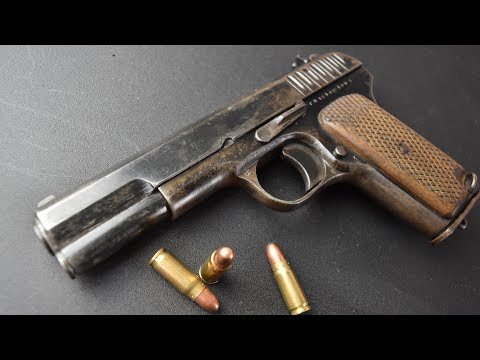
This video features a review of the Tokarev TT-33 pistol, drawing a comparison to the "Red Army 1911." The description includes numerous affiliate links for various products and services, such as firearm liability insurance (USCCA), holsters (Tulster), belts (Kore Essentials), flashlights (Olight), firearm protection (Firearm Guard), and apparel (1776 United). It also mentions equipment used for video production and a link to a motorcycle channel. The creator emphasizes firearm safety and adheres to YouTube's policies regarding magazine capacity.
You've reached the end! 8 videos loaded.
Gun Laws by State
Read firearms regulations for all 50 states + D.C.
Find Gun Dealers
Search licensed FFL dealers near you.