This video provides an in-depth review of the Japanese Type 38 rifle, detailing its historical context from the Meiji era through WW2. It highlights the rifle's design evolution from the Type 30, its technical specifications including the 6.5x50mm Arisaka cartridge, and its performance characteristics. The review also compares the real-world firearm to its in-game representation in 'Enlisted', offering insights into its handling and effectiveness.
This video provides an in-depth review of the Mosin Nagant rifle, highlighting its historical significance, technical specifications, and practical performance. The presenter, Jesse, discusses the rifle's evolution, its role in various conflicts, and its physical characteristics, including weight, length, and integrated magazine. He also touches upon its sights, safety mechanism, and the complexities of its bolt operation, comparing it to other historical rifles like the Mauser.
This lecture, presented by Patrick Senft of Armament Research Services (ARES), traces the historical evolution of ballistic shields. It details their initial utility alongside early firearms in the 1400s, their subsequent obsolescence due to firearm advancements by the 1600s, and their resurgence in conflicts like the Russo-Japanese War, leading to their modern applications in military and law enforcement. The presentation examines the technical interplay between firearm and shield development and tactical considerations, explaining the shield's fluctuating relevance throughout history and its current role.
Ian McCollum of Forgotten Weapons provides an in-depth look at the rare Model 1907 Mosin Nagant Carbine, detailing its historical context, technical specifications, and evolution. He highlights its development post-Russo-Japanese War for specialty troops and discusses its unique features, production challenges, and eventual legacy as a precursor to later Mosin carbines.
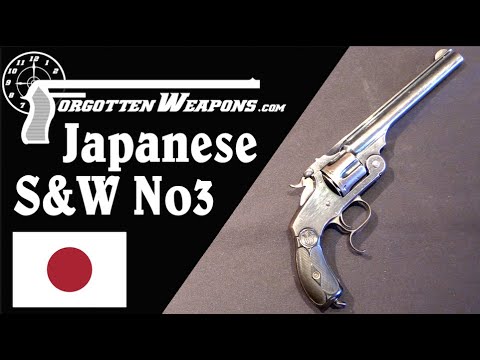
This entry details the Smith & Wesson No. 3 New Model, Japan's first military revolver adopted in 1878. Expert Ian McCollum highlights its historical significance, adoption context following Commodore Perry's arrival, and the extensive import history. The entry covers model variations, specific naval markings like the Kure Naval Base anchor, and the revolver's enduring service through WWII, underscoring its robust design and importance in Japanese military history.
You've reached the end! 5 videos loaded.
Gun Laws by State
Read firearms regulations for all 50 states + D.C.
Find Gun Dealers
Search licensed FFL dealers near you.