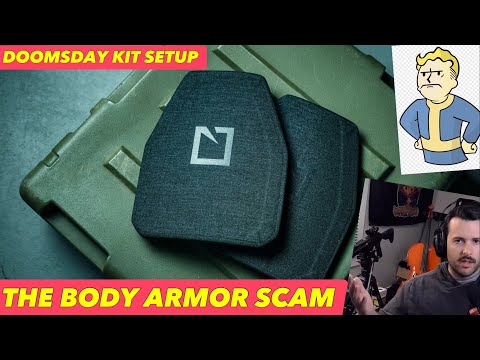
This video provides an in-depth comparison between chest rigs and plate carriers, emphasizing that the choice depends heavily on the intended mission and operational environment. The speakers, with military backgrounds, argue that while body armor offers ballistic protection, its weight and bulk significantly hinder maneuverability, making chest rigs more practical for many preparedness and tactical scenarios. They also discuss the limitations and potential compromises of various armor types, including special threat and Level IIIA plates, and advise prioritizing training and understanding personal needs over simply adopting popular gear trends.
This video provides an updated perspective on civilian body armor choices, emphasizing a 'level four or nothing' philosophy for ballistic protection. The instructor argues against special threat plates like the Hesco L210, deeming them ineffective against common rifle threats. For most civilian applications, a chest rig combined with belt kit is recommended for its versatility, mobility, and weight savings, prioritizing sustainment and ammunition over potentially inadequate armor. Level IV plates are reserved for scenarios demanding heightened force protection.
This guide details setting up a plate carrier system, focusing on the T.Rex Arms AC1 and Hesco L210 plates. It covers placard configurations, medical gear integration, and crucial NIJ rating explanations provided by Kurt from Predator Armor. Proper plate placement for vital organ protection is emphasized, highlighting body armor as a critical tool for defense and training.
You've reached the end! 3 videos loaded.
Gun Laws by State
Read firearms regulations for all 50 states + D.C.
Find Gun Dealers
Search licensed FFL dealers near you.