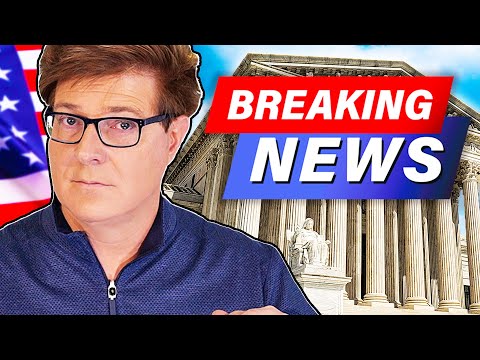
This video discusses the US Court of Appeals for the Fourth Circuit's decision in US v. James Gould, which upheld the constitutionality of federal gun control law 18 USC 922G4. The court ruled that individuals involuntarily committed due to mental illness can lose their Second Amendment rights, affirming that historical traditions support disarming those deemed a danger to themselves or others. While the facial challenge failed, the court left open the possibility for as-applied challenges for individuals not currently posing a danger.
This video features constitutional attorney Mark W. Smith discussing the Supreme Court's Rahimi decision. Smith, an expert with extensive legal credentials, argues that the ruling reinforces the Second Amendment, specifically the Bruen and Heller methodologies, by emphasizing historical tradition over interest balancing. He critiques arguments that the decision aids gun control efforts and highlights the importance of the text, history, and tradition framework for Second Amendment jurisprudence.
A federal judge in California upheld San Jose's gun owner fee and liability insurance law, ruling it constitutional. The speaker, a constitutional attorney, argues the judge erred by not applying the Bruin methodology correctly, misinterpreting historical legal analogs like surety laws and tort law, and failing to consider the First Amendment implications of compelled speech. The decision is seen as a setback for Second Amendment rights, with potential for appeal.
William Kirk of Washington Gun Law analyzes the legal strategy of imposing commercial and financial barriers to restrict Second Amendment rights, exemplified by San Jose's firearm liability insurance ordinance. The analysis details the legal precedent of 19th-century surety laws used to justify the ordinance and warns of a potential 'slippery slope' leading to unaffordable gun ownership nationwide.
This video analyzes the legal arguments surrounding New Jersey's attempts to justify firearm carry restrictions using 'surety laws.' Constitutional attorney Mark W. Smith explains how these arguments are challenged by the Supreme Court's ruling in NYSRPA v. Bruen, which emphasizes historical tradition when assessing Second Amendment rights. The discussion delves into the relevant historical periods for evaluating gun control measures and deconstructs the anti-gun lobby's position, highlighting potential contradictions. The content is presented by The Four Boxes Diner, a platform dedicated to Second Amendment news and analysis from legal and constitutional perspectives.
This video analyzes New Jersey's proposed legislation requiring liability insurance for carrying firearms. Constitutional attorney Mark Smith argues this mandate is unconstitutional, citing a lack of historical precedent, its nature as a tax on a constitutional right, and potential issues with insurance availability. The analysis draws parallels to Supreme Court rulings like NYSRPA v. Bruen and Harper v. Board of Elections.
This video provides an update on the Young v. Hawaii case, a legal challenge to Hawaii's firearm carry laws, specifically focusing on open carry. The discussion delves into the historical context of the Second Amendment, surety laws, and the distinction between facial and as-applied legal challenges. The Ninth Circuit's en banc panel heard the case, and a decision is pending.
You've reached the end! 7 videos loaded.
Gun Laws by State
Read firearms regulations for all 50 states + D.C.
Find Gun Dealers
Search licensed FFL dealers near you.