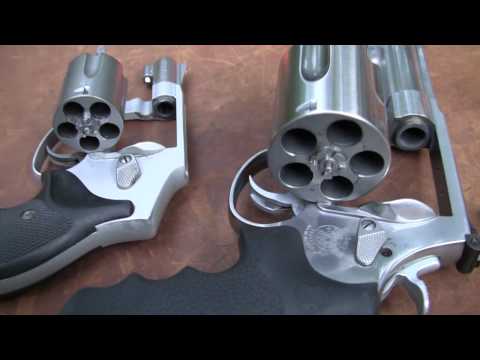
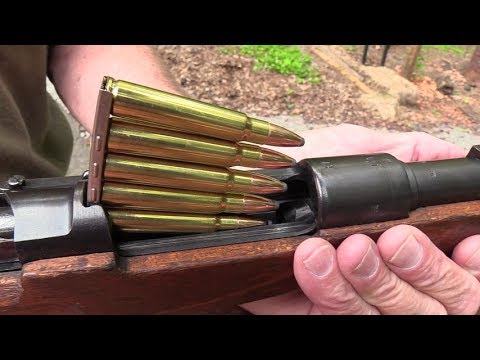
Colt New Army Model 1892

Published on July 25, 2019
Duration: 27:25

The Colt New Army Model 1892, specifically a Model 1901 variant in .38 Long Colt, marked a significant shift to double-action swing-out cylinder revolvers for the US military. Despite its historical importance, the .38 Long Colt caliber proved inadequate in stopping power during the Philippine-American War, leading to a return to .45 caliber. The video highlights the mechanical nuances of vintage Colts and emphasizes safe ammunition practices.

Quick Summary

The Colt New Army Model 1892 was the first US military double-action revolver with a swing-out cylinder. However, its .38 Long Colt caliber proved inadequate in stopping power during the Philippine-American War, prompting a return to .45 caliber.

Chapters

  1. 00:00US Military Sidearm History Gap
  2. 03:31Introducing the Colt New Army 1892
  3. 04:16.38 Long Colt vs. Modern Rounds (Safety)
  4. 05:51Mechanical Operation & Shooting
  5. 09:51Combat Issues: .38 Long Colt Stopping Power
  6. 14:50Historical Importance & Range Performance

Frequently Asked Questions

What made the Colt New Army Model 1892 significant for the US military?

The Colt New Army Model 1892 was historically significant as it was the first double-action revolver with a swing-out cylinder adopted by the U.S. military, marking a major advancement over previous single-action sidearms.

Why was the .38 Long Colt caliber problematic for US soldiers?

During the Philippine-American War, the .38 Long Colt was found to lack sufficient stopping power against determined adversaries, often requiring multiple shots to neutralize threats, leading to a return to .45 caliber.

Is it safe to fire .38 Special or .357 Magnum in a Colt New Army Model 1892?

No, it is extremely dangerous. While these cartridges might physically fit, their much higher pressures can cause catastrophic failure and severe injury when fired in firearms designed for the lower-pressure .38 Long Colt.

What is a characteristic mechanical feature of older Colt double-action revolvers?

Older Colt double-action revolvers often exhibit a cylinder lockup that feels loose until the hammer is cocked or the trigger is pulled. This is because the hand mechanism forces the cylinder into precise alignment only during the firing sequence.

Related News

All News →

More Reviews Videos You Might Like

More from hickok45

View all →