Vietnamese Crude Blowback 1911 Copy

Published on September 25, 2016
Duration: 12:35

This guide details the inspection and disassembly of a North Vietnamese craft-made copy of the 1911 pistol, as presented by Ian McCollum of Forgotten Weapons. It highlights the crude construction methods, including brazing and the use of a smoothbore barrel, and emphasizes that the firearm is not safe to fire due to its straight blowback operation and flawed safety mechanisms. The analysis is based on expert assessment of a unique historical artifact.

Quick Summary

The Vietnamese 1911 copy analyzed by Forgotten Weapons is a crude, craft-made firearm assembled using brazing techniques. It operates via a dangerous straight blowback mechanism, features a smoothbore barrel, and lacks functional safeties, making it unsafe to fire, especially with .45 ACP ammunition.

Chapters

  1. 00:00Introduction to Vietnamese Craft-Made Pistols
  2. 01:13Visual Comparison with Standard 1911
  3. 02:09External Controls and Features
  4. 04:03Construction and Brazing
  5. 05:09Blowback Operation vs. Short Recoil
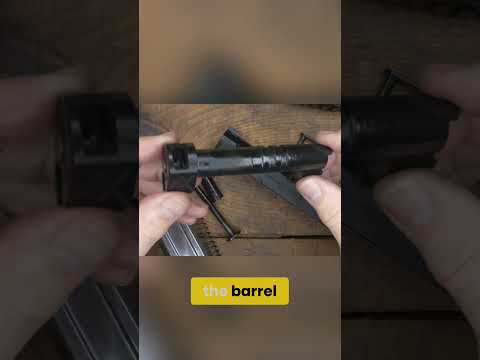
  6. 06:16Internal Inspection and Smoothbore Barrel
  7. 09:17Misunderstood Safety Mechanism
  8. 11:40Conclusion and Auction Details

Frequently Asked Questions

What is the primary operating mechanism of the Vietnamese 1911 copy?

The Vietnamese 1911 copy operates on a straight blowback principle, unlike the genuine 1911's short-recoil system. This means the barrel remains fixed, and the slide cycles solely due to the inertia of its mass against gas pressure, which is inherently unsafe for .45 ACP in this crude construction.

How was the Vietnamese 1911 copy constructed?

This crude copy was assembled from multiple steel components joined together using brazing, rather than traditional welding or precision milling. Visible yellow brazing material at various joints highlights this craft-made assembly method.

Is the Vietnamese 1911 copy safe to fire?

No, the Vietnamese 1911 copy is explicitly stated to be unsafe to fire. Its straight blowback operation, smoothbore barrel, and flawed safety mechanisms make it extremely dangerous, particularly with .45 ACP ammunition.

What are the key differences between the Vietnamese 1911 copy and a genuine 1911?

Key differences include the copy's straight blowback action, smoothbore barrel, brazed construction, non-functional safeties, and improvised controls, contrasting sharply with the genuine 1911's short-recoil operation, rifled barrel, precision machining, and functional safety systems.

Related News

All News →

More Gunsmithing & DIY Videos You Might Like

More from Forgotten Weapons

View all →