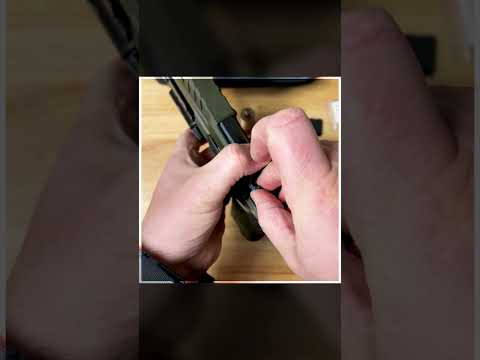
BEST way to mount a Optic 😱 #shorts #short #viral #staccato

Published on June 21, 2024
Duration: 0:58

This guide details the process of mounting an optic onto a Staccato P pistol, emphasizing proper preparation and tool usage. The video, presented by 1st Shot Tactical, demonstrates the use of specific tools like a Quinn digital torque driver and C&H Precision mounting plates. Key steps include removing the factory cover plate, degreasing components for secure screw adhesion, and torquing the mounting screws to specification for a reliable optic installation.


Quick Summary

Mounting an optic on a Staccato P involves removing the cover plate, degreasing all components for secure screw adhesion, and using a digital torque driver to tighten mounting screws to the correct specification. C&H Precision plates and Quinn torque drivers are recommended tools for a reliable installation.

Chapters

  1. 00:00Removing the Optic Cover
  2. 00:13Mounting Plate Selection
  3. 00:21Preparation and Degreasing
  4. 00:28Plate and Optic Installation

Frequently Asked Questions

What are the key steps for mounting an optic on a Staccato P?

Begin by removing the optic cover plate using the Allen wrench. Then, degrease the slide and threads, insert T-nuts into the mounting plate, attach the plate to the slide, and secure it with screws torqued to specification. Finally, mount and secure the optic.

Why is degreasing important when mounting an optic?

Degreasing the slide, mounting plate, and screw threads is crucial to ensure a secure hold. This prevents screws from loosening due to recoil, which could lead to optic shift or detachment, maintaining zero and firearm reliability.

What tools are recommended for optic installation on a Staccato P?

The video recommends using a C&H Precision mounting plate and a Quinn digital torque driver. An Allen wrench is also needed for removing the initial cover plate screws.

What is the role of a torque driver in optic installation?

A digital torque driver ensures that optic mounting screws are tightened to the exact specification recommended by the manufacturer. This prevents over-tightening, which can damage components, and under-tightening, which can lead to the optic becoming loose.

More Gunsmithing & DIY Videos You Might Like

More from 1st Shot Tactical

View all →