How to Properly Polish the Metal Parts on a Remington 700 | MidwayUSA Gunsmithing

Published on September 20, 2013
Duration: 3:40

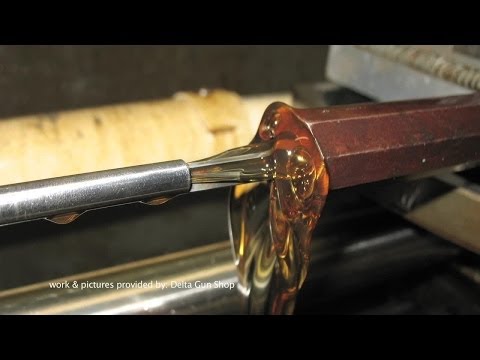
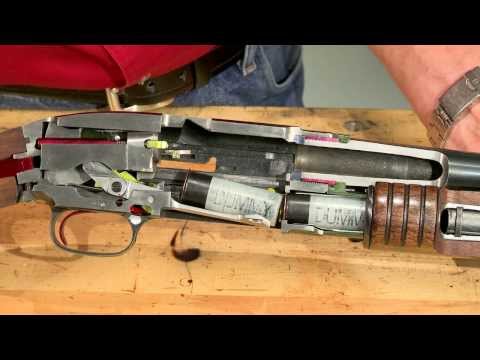
This guide details the process of hand-polishing metal parts on a Remington 700 rifle to achieve a 320-grit satin finish, ideal for rust bluing. It emphasizes using hand tools and abrasives to maintain sharp edges and avoid dishing, covering techniques for the barrel, receiver, bolt, and trigger guard. Proper preparation and careful polishing are crucial to prevent damage and ensure a professional result.

Quick Summary

The ideal finish for a traditional rust blue on a Remington 700 is an even 320-grit finish. This provides a satin appearance, which is different from the high-gloss finish often seen on other rifles. Hand polishing is preferred over buffing wheels to avoid dishing screw holes or rounding off sharp edges.

Chapters

  1. 00:00Introduction to Metal Polishing for Rust Blue
  2. 00:38Tools and Benefits of Hand Polishing
  3. 01:09Barrel Polishing Techniques: Shoe Shine Method
  4. 01:55Polishing Small Parts and Final Barrel Steps
  5. 02:32Receiver, Bolt, and Trigger Guard Polishing

Frequently Asked Questions

What grit finish is ideal for rust bluing a Remington 700?

The ideal finish for a traditional rust blue on a Remington 700 is an even 320-grit finish. This provides a satin appearance, which is different from the high-gloss finish often seen on other rifles.

Why is hand polishing preferred over buffing wheels for firearm metal parts?

Hand polishing is preferred because it allows for greater control, preventing common issues like dishing screw holes or rounding off sharp edges. This meticulous approach ensures a professional and precise finish on the firearm's components.

How should the barrel of a Remington 700 be polished?

After removing the barrel and marking it for alignment, use a 'shoe shine' motion with 220-grit abrasive paper. Cross-polishing helps identify areas needing more work, and rubber blocks can aid in reaching difficult contours.

What precautions are necessary when polishing the receiver and recoil lug?

When polishing the receiver, avoid working the trued face. For the recoil lug, extreme care is needed to prevent altering headspace, which is critical for safe and accurate firearm function.

Related News

All News →

More Gunsmithing & DIY Videos You Might Like

More from MidwayUSA

View all →