How to Sand a Rifle Stock Presented by Larry Potterfield | MidwayUSA Gunsmithing

Published on September 13, 2013
Duration: 4:53

This guide details the process of sanding a rifle stock for a professional finish, presented by Larry Potterfield of MidwayUSA. It covers material preparation, systematic sanding with progressive grits, and the crucial step of raising the wood grain using water and a heat gun to achieve a smooth, flawless surface. Attention is paid to detail areas and inletting for a high-quality result.

Quick Summary

Learn expert techniques for sanding a rifle stock from Larry Potterfield of MidwayUSA. The process involves progressive grits (100, 150, 220), using a hard-backed sanding block, and crucially, raising the wood grain with water and a heat gun between grits for a superior, smooth finish.

Chapters

  1. 00:00Introduction to Stock Sanding
  2. 00:25Materials and Planning
  3. 00:48Sanding Block Preparation
  4. 01:12Initial Sanding Sequence
  5. 02:10Detail Areas and Fore-end
  6. 03:35Raising the Grain
  7. 04:02Progressive Sanding and Final Detailing

Frequently Asked Questions

What are the essential steps for sanding a rifle stock?

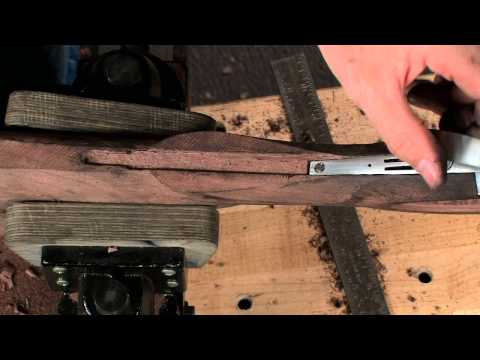
Begin by preparing your sanding block and materials. Start with 100-grit sandpaper, sanding with the grain. Progress to 150-grit, then 220-grit. Crucially, raise the grain between grits using water and a heat gun for a smoother finish. Pay close attention to detail areas and inletting.

How do you raise the wood grain on a rifle stock?

To raise the wood grain, lightly wet the sanded stock with water. Then, use a heat gun to dry the wood. This process causes compressed wood fibers to stand up, allowing them to be sanded away in the next grit stage, leading to a much smoother final finish.

What tools are needed for sanding a rifle stock?

Essential tools include various grits of sandpaper (100, 150, 220), a sturdy wooden sanding block, masking tape for securing sandpaper, and a heat gun for raising the grain. A magnifying visor and specialized backers can also be beneficial for detailed work.

Why is using a hard backer important when sanding a stock?

Using a hard backer, such as a wooden block, ensures that your sanding strokes are level and consistent. This prevents the creation of waves or unevenness in the wood surface, which would be noticeable and detrimental to the final finish after applying oils or varnishes.

More Gunsmithing & DIY Videos You Might Like

More from MidwayUSA

View all →