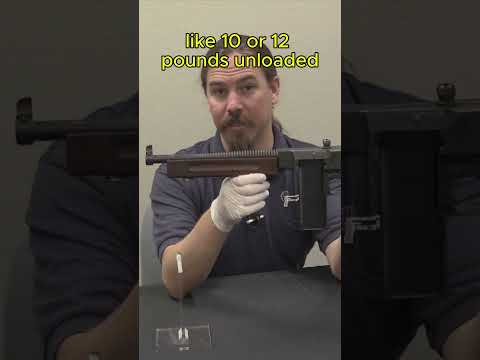
Hudson Machine Gun

Published on October 24, 2016
Duration: 5:39

This entry details the Hudson Machine Gun Prototype, a unique firearm developed by Robert F. Hudson. It covers its history, technical specifications, and the reasons for its eventual rejection by the US Navy, highlighting its innovative but complex 'constant recoil' system and unusual ergonomics. The information is presented with high authority by Ian McCollum of Forgotten Weapons.

Quick Summary

The Hudson Machine Gun Prototype, developed by Robert F. Hudson, featured an innovative 'constant recoil' system designed to balance recoil impulse. Tested by the US Navy in various calibers, it was ultimately rejected due to its complexity, making it difficult for crews to operate effectively in combat.

Chapters

  1. 00:00Introduction to Hudson Machine Gun
  2. 00:50Development and Navy Testing
  3. 01:35Technical Overview and Calibers
  4. 02:16Unique Ergonomics and Suppressors
  5. 03:01Constant Recoil System
  6. 03:53Conclusion and Complexity Issues

Frequently Asked Questions

What was the primary innovation of the Hudson Machine Gun?

The primary innovation was its 'constant recoil' system, which used internal machinery moving in opposition to the bolt or projectile to balance the recoil impulse, aiming for a smoother shooting experience and improved control.

Why was the Hudson Machine Gun rejected by the US Navy?

Historical accounts suggest the gun was rejected primarily because it was deemed too complex for quickly trained crews to operate effectively under combat conditions, despite its novel design features.

What calibers did the US Navy test for the Hudson Machine Gun?

The US Navy tested the Hudson Machine Gun design in .30 caliber, .50 caliber (likely .50 BMG), and 1.1-inch versions, indicating its potential for various military roles, including anti-aircraft and heavy support.

What made the Hudson Machine Gun's ergonomics unique?

The prototype featured an unusual upward-facing grip and a thumb-operated trigger mechanism. Additionally, its design accommodated large suppressors, with the gas tube extending significantly forward of the barrel.

Related News

All News →

More Gunsmithing & DIY Videos You Might Like

More from Forgotten Weapons

View all →