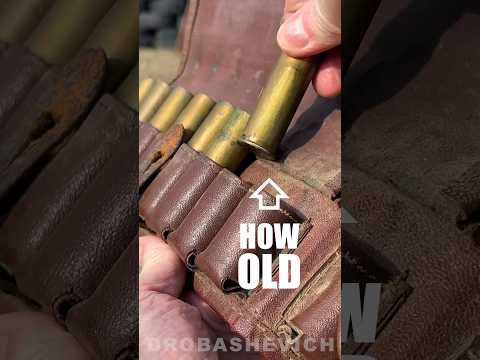
OLD SHOTGUN AMMO #shorts #shotgun #unboxing #gun #hunting #usa #12gauge #opinel #weapon #cartridges

Published on August 19, 2023
Duration: 0:32

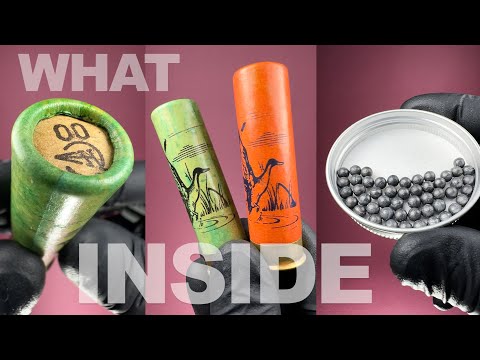
This guide details the methodical disassembly of vintage 16-gauge Azot shotgun shells, as demonstrated by a specialist. It covers the careful cutting of the hull, extraction of components like lead shot and gunpowder, and the use of precision tools for measurement. The video emphasizes a systematic approach to analyzing old ammunition, including a gunpowder burn test, highlighting the expertise of the presenter in handling potentially hazardous vintage materials.

Quick Summary

Expert analysis of vintage Azot 16-gauge shotgun shells from 1963 involves careful disassembly using tools like an Opinel knife and precision measurement of components like lead shot. The gunpowder is tested for viability via a burn test, demonstrating rapid combustion.

Chapters

  1. 00:00Unboxing Vintage Ammunition
  2. 00:05Shell Inspection and Disassembly
  3. 00:15Component Analysis
  4. 00:24Gunpowder Burn Test

Frequently Asked Questions

What vintage shotgun shells are analyzed in the video?

The video analyzes vintage 16-gauge shotgun shells manufactured by Azot, specifically dating back to 1963, as indicated by the headstamp.

What tools are used for analyzing the vintage shotgun shells?

The analysis employs an Opinel No. 8 Inox folding knife for cutting the hull, a digital scale for weighing lead shot, and Vernier calipers for measuring pellet diameter.

How is the gunpowder from the vintage shells tested?

The extracted gunpowder is carefully laid out on a metal ruler and ignited to test its burn rate and viability, demonstrating rapid combustion.

What is the significance of the headstamp 'ЗАВОД АЗОТ 16 63'?

This headstamp indicates the shell is 16-gauge, manufactured by the Azot plant, and likely produced in the year 1963.

More Gunsmithing & DIY Videos You Might Like

More from DROBASHEVICH

View all →