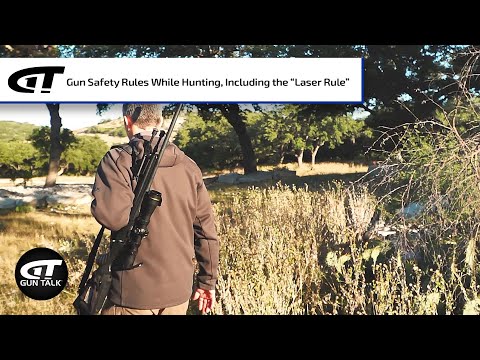
Backfire Mancast Episode 49: The Dangers Of Hunting

Published on August 27, 2024
Duration: 10:42

This discussion emphasizes proactive gun safety in hunting scenarios, advocating for a 'be a jerk' approach to safety checks rather than blind trust. Key takeaways include verifying firearm status, avoiding chambered rounds during transit for big game, and understanding that safeties are unreliable. The importance of an open action for visual confirmation of an unloaded firearm is also highlighted.

Quick Summary

Proactive gun safety is paramount for hunters. Avoid blind trust; actively verify firearm status with partners. For big game, do not carry a round in the chamber while moving. Safeties are unreliable; prefer an open action for visual confirmation of an unloaded firearm. Carry a basic medical kit for emergencies.

Chapters

  1. 00:00Introduction: Hunting Dangers
  2. 01:00Gunshot Wounds: Prevention Strategies
  3. 02:01Chambered Rounds: When to Avoid
  4. 03:03The Danger of Safeties
  5. 03:53Open Action Safety Protocol
  6. 05:06Being a 'Jerk' for Safety
  7. 06:04First Aid for Hunting Injuries
  8. 07:41Life-Threatening Bleeding & Tourniquets
  9. 09:19Essential Backcountry Medical Kit
  10. 10:20Podcast Clip Context

Frequently Asked Questions

What is the most important gun safety rule for hunters?

The most critical rule is to never implicitly trust your hunting partners' gun safety. Actively verify the status of their firearms, including checking the chamber and magazine, to prevent accidental discharges. Be prepared to be perceived as a 'jerk' for safety's sake.

When should hunters avoid carrying a round in the chamber?

For big game hunting, it's strongly advised to avoid carrying a round in the chamber while moving between hunting spots, on ATVs, or in any situation where the firearm is not immediately needed for a shot. Load the firearm only when actively stalking or preparing to engage a target.

Why are firearm safeties considered unreliable by some instructors?

Safeties can be unreliable because they are easily bumped to the 'fire' position, especially during movement or when handling gear. Instructors often prefer the visual confirmation of an open action, which makes it impossible for the firearm to discharge accidentally.

What essential items should be in a backcountry hunting medical kit?

A minimalist backcountry medical kit should include a chest seal, QuickClot hemostatic agent, a tourniquet, medical tape, aspirin for pain or altitude sickness, and iodine for water purification. This kit can address serious bleeding and other common issues.

More Hunting & Outdoors Videos You Might Like

More from Ballistics Lab

View all →