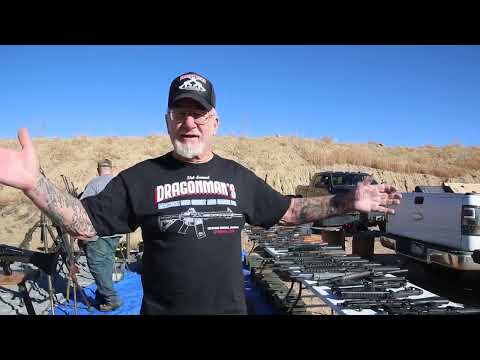
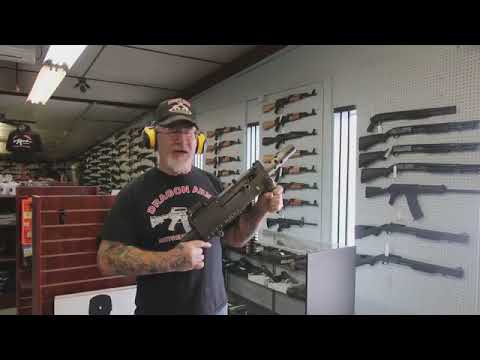
I Ran A Belt Fed At a Night Vision Match

Published on March 20, 2026
Duration: 28:39

This video details the challenges and optimizations of running a belt-fed firearm in a small unit tactical role, specifically during a night vision match. The presenter, Brass Facts, explores accessory choices, load-bearing setups, and innovative techniques like carabiner retention for faster reloads. Despite initial setbacks and equipment issues, the experiment aims to determine if a belt-fed can perform at a comparable level to a carbine in such scenarios.


Quick Summary

Using a belt-fed firearm in a small unit tactical role requires adapting its use beyond suppressive fire, managing its significant weight, and optimizing accessories. Techniques like starter tabs for feel-based reloads and carabiner retention systems can improve efficiency, while FRT units have a limited lifespan and may require frequent replacement.

Frequently Asked Questions

What are the key challenges of using a belt-fed firearm in a small unit tactical role?

The primary challenges involve adapting its use beyond traditional suppressive fire, managing its significantly higher weight (often over 13 lbs for the gun alone), and optimizing accessories and load-bearing equipment for mobility and efficiency.

What are some recommended accessories for a belt-fed setup in a tactical scenario?

Recommended accessories include flow-through suppressors (like Sandman X), compact prism optics, wider slings (like Agilite or Blue Force Gear), and durable bipods (like GG&G). Laser aiming modules and flashlights are also useful but require careful placement due to limited rail space.

How can reload times be improved for belt-fed firearms?

Techniques like using starter tabs on ammunition links for feel-based reloads and implementing a carabiner retention system for pouches can significantly speed up reloads, aiming for sub-10-second times.

What is the typical lifespan of an FRT (Fire Control Group) unit in high-round-count firearms?

FRT units are considered aggressive wear items with short lifespans. They can fail after as few as 3,000 rounds, often requiring preemptive replacement to maintain reliable function.

More Range & Competition Videos You Might Like

More from Brass Facts

View all →