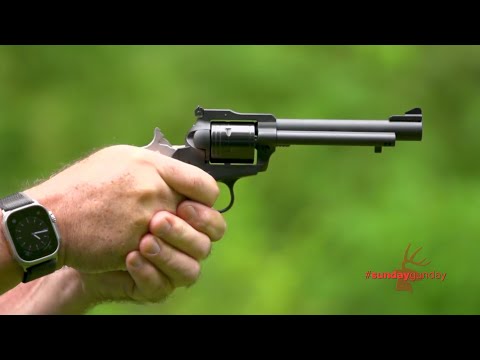
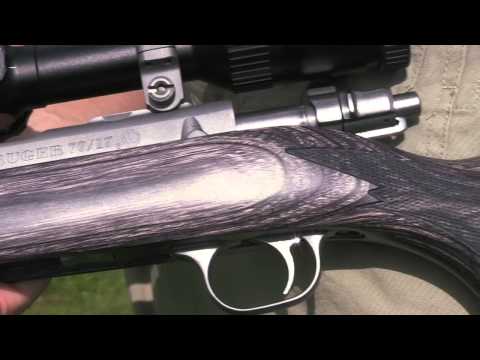
Ruger Single Six Old Model 3 Screw Revolver Review

Published on May 3, 2022
Duration: 22:01

This review of the Ruger Old Model Single Six '3 Screw' revolver highlights its historical significance, introduction in 1953, and various chamberings including .22 LR, .22 Magnum, and .17 HMR. The video details the key differences between the old and new models, particularly the absence of a transfer bar in the old model, necessitating carrying with five rounds for safety. It covers operational aspects like cylinder removal for cleaning, trigger pull characteristics, and shooting techniques, emphasizing the nostalgic appeal and affordability of this classic single-action firearm.

Quick Summary

The Ruger Old Model Single Six, often called the '3 Screw,' was introduced in 1953 and lacks a transfer bar safety, requiring it to be carried with five rounds. It was originally chambered in .22 LR, with convertible models offering .22 Magnum. Its appeal stems from its classic design, satisfying action, affordability, and suitability for new shooters.

Chapters

  1. 00:00Introduction to Ruger Old Model Single Six
  2. 01:08Ruger Single Six History and Introduction
  3. 01:20Differences: Old Model vs. New Model
  4. 01:37Safety: Carrying the Old Model
  5. 01:53Convertible Models and Calibers
  6. 02:06Appeal of Single Action Revolvers
  7. 02:41Acquiring the Old Model Single Six
  8. 03:16The '3 Screw' Designation Explained
  9. 03:27Unloading and Safety Check
  10. 03:37Old Model vs. New Model: Transfer Bar
  11. 04:00Hammer Drop Test: Old Model
  12. 04:08Comparing Old and New Single Six Models
  13. 04:42Sights: Old vs. New Models
  14. 05:06Cocking Action Clicks: Old vs. New
  15. 05:28Trigger Comparison: Old vs. New
  16. 05:37Grips and Convertible Models
  17. 05:51Ruger Recall and Value Implications
  18. 06:30Safety Recommendation for Old Models
  19. 07:08Old-Time Technology and Safety
  20. 07:18The Three-Click Action Explained
  21. 07:29Ruger's Entry into Single Action Market
  22. 08:04Ruger's Manufacturing Innovations
  23. 08:20Original Price and Current Value
  24. 08:33Specific Model Details (1961, 5.5-inch barrel)
  25. 08:56Receiver Top Strap and Sights
  26. 09:08Super Single Six vs. Standard
  27. 09:22Frame Material and Finish
  28. 09:32Ammunition Versatility (.22 LR, Short, Long)
  29. 09:38Convertible Models and .22 Magnum Cylinders
  30. 09:54Differentiating 22 and 22 Magnum Cylinders
  31. 09:57Hot Salt Bluing Finish
  32. 10:07Acquisition for Shooting and History
  33. 10:15Ruger Logo Appreciation
  34. 10:18Shooting Technique: One-Handed
  35. 10:31Shooting Technique: Two-Handed Hammer Cocking
  36. 10:51Comparison: Ruger Wrangler
  37. 11:23Other Single Six Variants (Single 10, 9, 7)
  38. 11:46Nostalgia: Ruger Bearcat
  39. 12:01Historical Loading Speed of Single Actions
  40. 12:22Loading Mechanism: Old vs. New Models
  41. 12:34Ejecting Spent Brass
  42. 13:04Trigger Pull Test Preparation
  43. 13:13Trigger Pull Measurement: Old Model
  44. 13:44Trigger Pull Weight Comparison
  45. 13:51Ammunition Sponsor: Fiocchi
  46. 13:56Loading and Shooting Experience
  47. 14:21Range Experience: Ease of Shooting
  48. 14:30Firing Rate and Technique
  49. 14:38Cowboy Action Shooting Technique
  50. 14:48Pleasurable Shooting Experience
  51. 14:53Capacity and Reloading Process
  52. 15:05Connection to the Firearm
  53. 15:10Speaking of Another Era
  54. 15:17Popularity and Pointability
  55. 15:20Sights: Rudimentary Nature
  56. 15:31Fun, Inexpensive, Low Recoil
  57. 15:43Value for New Shooters
  58. 15:56Slowing Down the Shooting Process
  59. 16:22Cylinder Removal for Cleaning
  60. 17:18Loading with Half-Cock
  61. 17:34Ruger's Early History: Mark Series
  62. 17:46Collecting Ruger Single Actions
  63. 17:56Pricing: Old Model vs. New Models
  64. 18:33Value Proposition: New Models
  65. 18:43The Appeal of the 'Little Three Screw'
  66. 18:49Recommendation: Ruger Single Six
  67. 19:11Recommendation: New Model for Safety
  68. 19:19Recommendation: Convertible Model
  69. 19:34Slow and Easy Shooting Experience
  70. 19:41Historical Piece vs. Practical Choice
  71. 19:46Preference for New Model with Transfer Bar
  72. 19:58Classic Appeal of the Old Model
  73. 20:08Value and Fun Factor
  74. 20:18Training Tool Recommendation
  75. 20:26Closing Remarks
  76. 21:19Final Thoughts and Corrections

Frequently Asked Questions

What distinguishes the Ruger Old Model Single Six from the New Model?

The primary distinction is the absence of a transfer bar safety in the Old Model, meaning it should be carried with five rounds to avoid accidental discharge if dropped. The New Model incorporates a transfer bar for added safety. Visually, the Old Model has three prominent screws on the frame, earning it the '3 Screw' nickname, while the New Model typically has fewer visible screws.

What calibers were the Ruger Single Six originally chambered in?

The Ruger Single Six was initially introduced in 1953 chambered in .22 Long Rifle. Over time, Ruger also offered it in .22 Magnum and .17 HMR. Convertible models came with interchangeable cylinders for different calibers, most commonly .22 LR and .22 Magnum.

How should the Ruger Old Model Single Six be safely carried?

Due to the lack of a transfer bar safety, the Ruger Old Model Single Six should be carried with only five rounds in its six-round cylinder. The chamber that would align with the firing pin when the hammer is cocked should be left empty. This practice mitigates the risk of accidental discharge if the firearm is dropped on its hammer.

What is the appeal of the Ruger Old Model Single Six revolver?

The appeal lies in its historical significance, classic single-action design reminiscent of the Old West, and its satisfying three-click action. It's also praised for its affordability, low recoil, and ease of shooting, making it a great option for new shooters and collectors alike. The craftsmanship and bluing on well-maintained examples are also highly regarded.

More Reviews Videos You Might Like

More from sootch00

View all →