Simplified Warner Revolving Rifle: Caught by Colt’s Patent

Published on April 10, 2026
Duration: 13:21

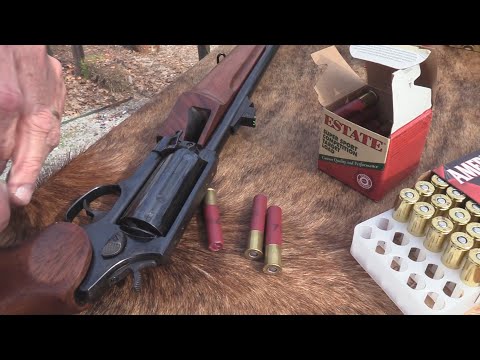
This video provides an in-depth look at a rare James Warner simplified revolving carbine, detailing its historical context, design evolution in response to Colt's patents, and a step-by-step disassembly process. The presenter, Ian McCollum of Forgotten Weapons, highlights the carbine's unique features, such as its manually indexed cylinder and simplified construction aimed at reducing manufacturing costs.


Quick Summary

The James Warner simplified revolving carbine was a response to Colt's patents, featuring a manually indexed cylinder and reduced manufacturing costs. This .40 caliber, six-shot percussion firearm was designed to avoid patent infringement after initial models were too similar to Colt's designs.

Chapters

  1. 00:04Introduction to Warner Revolving Carbine
  2. 00:13Rare James Warner Revolving Carbine
  3. 00:27Carbine Specifications: 6-shot, .40 Caliber
  4. 00:47Poor Documentation of Warner Firearms
  5. 01:08James Warner's Firearm Career
  6. 01:33Springfield Arms Company
  7. 01:54Warner's Revolving Carbine Variations
  8. 02:03Self-Cocking vs. Manual Rotation
  9. 02:10Colt's Patent Significance
  10. 02:31Colt Patent Expiration and Warner's Response
  11. 03:03Redesign to Avoid Patent Infringement
  12. 03:11Pawn Stars Warner Carbine Example
  13. 03:35Warner's Simplified Design Strategy
  14. 04:01Manual Cylinder Rotation
  15. 04:04Absence of Ram Rods
  16. 04:48Markings: James Warner, Springfield, Mass
  17. 05:03Barrel Length: 10.25 inches (Cut Down)
  18. 05:26Rear Sight on Top Strap
  19. 05:55Pointed Butt Plate
  20. 06:00Brass Patch Box
  21. 06:12Trigger Guard Design
  22. 06:45Deliberate Omission of Features
  23. 07:06Hammer Operation: Halfcock and Fullcock
  24. 07:23Cylinder Stop Latch
  25. 07:52Disassembly: Barrel Removal
  26. 08:27Cylinder Removal
  27. 08:44Patent Infringement Issue: Cylinder Groove
  28. 09:11Serial Numbers: Cylinder, Barrel, Frame
  29. 09:40Disassembly: Side Plate Removal
  30. 10:19Internal Mechanism: V-Spring, Hammer, Sear
  31. 10:43Trigger Notches: Halfcock and Fullcock
  32. 11:22Cylinder Stop Mechanism
  33. 11:30Warner Simplified Model Disassembled
  34. 11:47Later Warner Solid Frame Models
  35. 11:56Low Production Quantities
  36. 12:03Abandonment of Revolving Rifle Concept
  37. 12:10Risk of Chain Fire
  38. 12:40Warner's Later Designs (Breach Loading Carbine)
  39. 13:09Conclusion and Thanks to Morphy's

Frequently Asked Questions

What is the significance of the Warner revolving carbine in relation to Colt's patents?

The Warner revolving carbine's development is closely tied to Colt's patents on self-cocking mechanisms. Warner initially produced models that infringed on these patents but later redesigned them to be simpler and avoid legal issues, often resulting in manually indexed cylinders.

What are the key features of the Warner simplified revolving carbine?

The simplified Warner carbine is a six-shot, percussion-fired firearm, typically around .40 caliber. It features a manually rotated cylinder, lacks a loading lever and ramrod, and has a simplified internal mechanism to reduce manufacturing costs.

Why was the barrel on this specific Warner carbine so short?

The barrel on this particular Warner carbine has been cut down to approximately 9-10 inches, which is significantly shorter than the original 22-23 inch barrels. This modification was likely done by a previous owner for convenience or a specific purpose.

How does the cylinder rotate on the Warner simplified revolving carbine?

Unlike Colt revolvers, the Warner simplified carbine's cylinder does not rotate automatically when the hammer is cocked. Instead, the user must manually pull a small cylinder stop latch to unlock the cylinder, allowing it to be rotated to the next chamber.

More Reviews Videos You Might Like

More from Forgotten Weapons

View all →