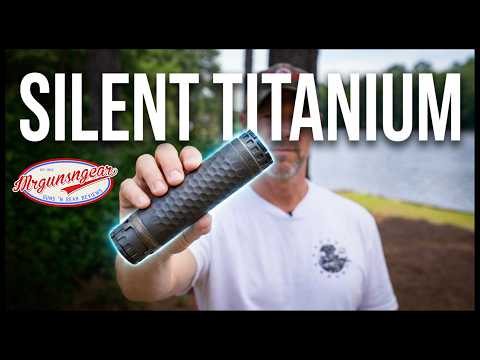
The Next Generation of Titanium Suppressors | SAW Ekron

Published on October 17, 2025
Duration: 11:02

This review examines the SAW Ekron titanium suppressor, highlighting its significant weight savings and low back pressure design. While it offers a compelling alternative to traditional suppressors, its performance in extreme conditions reveals limitations in flash suppression and durability compared to stainless steel or Stellite options. The Ekron is best suited for users prioritizing weight reduction and moderate use, rather than heavy-duty training or duty applications.


Quick Summary

The SAW Ekron titanium suppressor offers substantial weight savings and low back pressure, making it lighter and reducing gas blowback compared to stainless steel models. However, it exhibits poor flash suppression and significant heat buildup, and its durability is limited for continuous heavy use, making it best suited for moderate applications.

Frequently Asked Questions

What are the main advantages of the SAW Ekron titanium suppressor?

The SAW Ekron offers significant weight savings, being approximately 50% lighter than comparable stainless steel suppressors. It also features a low back pressure design, which reduces gas blowback towards the shooter, making it more comfortable to use.

How durable is the SAW Ekron titanium suppressor under heavy use?

After 2700 rounds with aggressive thermal cycling, the SAW Ekron held up well for a titanium suppressor, though it showed more wear than stainless steel options. Some internal baffle pieces were missing, and the cerakote began to fail, indicating it's not suited for continuous heavy training.

What are the drawbacks of the SAW Ekron titanium suppressor?

The SAW Ekron has poor flash suppression, producing visible sparks. It also gets extremely hot very quickly, requiring careful handling and gloves. Its durability is not on par with traditional steel or Stellite duty suppressors for sustained high-volume fire.

Why are 3D-printed flow-through suppressors like the SAW Ekron expensive?

The cost is driven by factors beyond material, including limited machine time, outsourcing of printing services, overseas production, shipping, importing, and finishing processes, all contributing to a higher price point.

Related News

All News →

More Tactical & Gear Videos You Might Like

More from Brass Facts

View all →