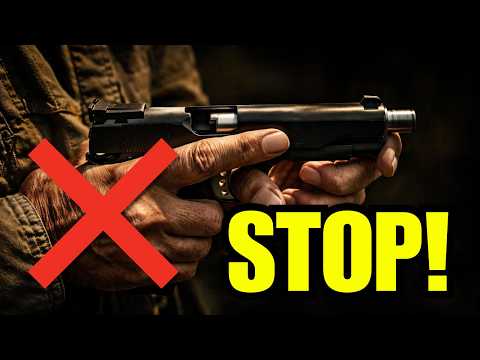
Why You Don't Want A Suppressor | Downsides Of Silencers

Published on August 24, 2025
Duration: 9:50

This video explores the often-overlooked downsides of firearm suppressors, acting as a devil's advocate against the common hype. While acknowledging their benefits like reduced concussion and improved communication, it highlights significant drawbacks including high cost, NFA registration, logistical challenges, increased back pressure leading to eye irritation and coughing, and the fact that most suppressors aren't hearing-safe with supersonic ammunition. The content also touches on potential legal perceptions in self-defense scenarios and the added weight and ammo limitations for hunting.

Quick Summary

Suppressors come with significant downsides, including high costs, NFA registration, and increased back pressure causing discomfort. They aren't always hearing-safe with supersonic ammo, and their perception in self-defense cases can be legally challenging. For hunting, added weight and ammo limitations are concerns, and legality varies by state.

Chapters

  1. 00:00Introduction: The Hype Around Suppressors
  2. 00:18Devil's Advocate Stance
  3. 00:36Speaker's Background and Intent
  4. 01:18Common Perceived Benefits of Suppressors
  5. 01:36Video Breakdown: Enthusiast, Self-Defense, Hunting
  6. 01:49What Makes Suppressors Appealing
  7. 02:14Recoil and Muzzle Rise Reduction
  8. 02:23Communication Benefits
  9. 02:37The Fun Factor and Aesthetics
  10. 03:03International Comparison (Europe)
  11. 03:17Enthusiast Downsides: Cost and Weight
  12. 03:35Health Concerns: Back Pressure
  13. 03:52Hearing Safety with Supersonic Ammo
  14. 04:04Tinkering and Tuning Requirements
  15. 04:15Paperwork and Documentation
  16. 04:25Evolving Suppressor Technology
  17. 05:42Self-Defense Considerations
  18. 05:54Sound as a Warning Signal
  19. 06:06Legal Perceptions in Court
  20. 06:31Practicality in Tight Spaces
  21. 07:06Confiscation Risk
  22. 07:11Hunting Downsides
  23. 07:17Added Weight for Hunters
  24. 07:30State Legal Restrictions on Hunting Suppressors
  25. 07:59Ammo Choice for Hunting
  26. 08:13The Addictive Nature of Suppressed Shooting
  27. 08:34Conclusion: Where Suppressors Fit
  28. 08:51Specific Use Cases for Suppressors
  29. 09:00Shoutout to Silencer Shop
  30. 09:15Viewer Engagement: Are Suppressors Worth It?

Frequently Asked Questions

What are the main downsides of owning a firearm suppressor?

Key downsides include high initial cost, the NFA registration process, potential logistical issues when traveling, and increased back pressure that can cause eye irritation. Most suppressors also aren't hearing-safe with supersonic ammunition, and they add weight and length to the firearm.

How do suppressors affect firearm maintenance and shooting experience?

Suppressors can require firearm tuning, such as adjusting gas blocks or buffer systems. They increase back pressure, leading to more gas and carbon blowback, which can be uncomfortable. While they reduce concussion and noise, they don't eliminate it entirely and often necessitate specific ammunition choices for optimal performance.

Are suppressors beneficial for self-defense or hunting?

For self-defense, the lack of noise might prevent alerting neighbors. However, a suppressor can be perceived negatively in court. For hunting, the added weight and potential limitations with subsonic ammunition for terminal performance are significant drawbacks, and legality varies by state.

What are the legal and regulatory considerations for suppressors?

Suppressor ownership involves NFA paperwork, including forms, approvals, and tracking. Eight states ban them outright, and some states have specific restrictions, like Connecticut not allowing them for hunting. The perception of suppressors in legal proceedings can also be a factor.

Related News

All News →

More Tactical & Gear Videos You Might Like

More from Alyssa Seymour

View all →