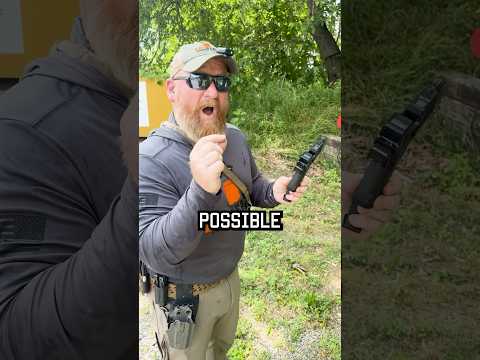
Combat reload tips with our friend Joe of Red Beard Shooting. #shorts #reels #combat #tips

Published on May 21, 2025
Duration: 1:07

This video demonstrates two primary methodologies for performing an emergency or combat reload. The instructor emphasizes the 'seat and send' technique, highlighting the importance of firmly seating the magazine and then sending the slide. He also discusses potential failure points, such as the slide not going forward, and offers solutions like manually racking the slide or using a thumb assist. The core message revolves around the reliability of the chosen technique and understanding possible outcomes.


Quick Summary

The 'seat and send' combat reload technique involves firmly seating the magazine and then releasing the slide to chamber a round. If the slide doesn't go forward, manually rack it. Understanding potential failures enhances reload reliability.

Chapters

  1. 00:00Introduction to Combat Reload
  2. 00:04Methodology 1: Seat and Send
  3. 00:15Potential Issues with Rushing
  4. 00:30Methodology 2: Seat and Send with Thumb Assist
  5. 00:45Manual Slide Manipulation
  6. 00:51Addressing Malfunctions
  7. 01:02Reliability of Technique

Frequently Asked Questions

What is the 'seat and send' technique for a combat reload?

The 'seat and send' technique involves firmly seating the magazine into the firearm and then releasing the slide to chamber a round. This method aims for efficiency and reliability during a tactical reload.

What are common mistakes during a combat reload?

A common mistake is rushing the reload, which can lead to the slide not properly chambering a round. Sending the slide too early or not ensuring the magazine is fully seated are also potential errors.

How can you ensure a round is chambered after a combat reload?

If the slide does not go forward on its own after seating the magazine, you should manually rack or slam the slide to ensure a round is chambered and the firearm is ready to fire.

Why is understanding possible outcomes important for reloads?

Understanding possible outcomes, including potential failures, allows you to anticipate and react effectively during a reload. This preparedness enhances the reliability of your technique under pressure.

More Training & Techniques Videos You Might Like

More from Tactical Rifleman

View all →