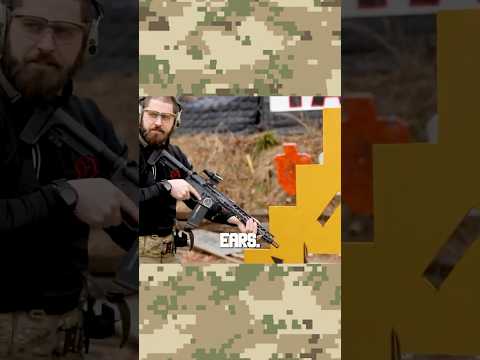
Efficient Cold Weather Training

Published on February 26, 2025
Duration: 9:37

This guide provides strategies for maximizing firearms training efficiency in cold weather. Key recommendations include pre-loading all magazines, planning specific drills with efficient target setups, and utilizing tools like target paster guns to minimize time spent on non-shooting tasks. The focus is on making the most of limited time before cold affects performance, suggesting a 30-45 minute effective training window.

Quick Summary

Efficient cold weather firearms training prioritizes organization and time management due to a limited effective window of 30-45 minutes. Key strategies include pre-loading all magazines, planning drills with efficient target setups, and utilizing tools like target paster guns to minimize downtime.

Chapters

  1. 00:01Introduction to Cold Weather Training
  2. 00:17Efficiency and Organization
  3. 00:45Limited Effective Training Window
  4. 01:43Pre-Loading Magazines
  5. 02:16Having a Plan for Drills
  6. 03:03Efficient Target Setup
  7. 03:20Drill Examples: Transitions & Designated Fire
  8. 03:46MX AD Drill Example
  9. 04:23Brass Management in Cold
  10. 04:54Target Reset with Paster Gun
  11. 05:26Training Session Structure
  12. 06:06No Dry Fire on the Range
  13. 06:32Objectives for Cold Weather Practice
  14. 07:09Rifle vs. Pistol Training Order
  15. 07:47Managing Firearm Heat
  16. 08:35Ineffectiveness of Warming in Car
  17. 09:08Bundling Up and Going Home

Frequently Asked Questions

What is the most important factor for efficient cold weather firearms training?

Efficiency and organization are paramount for cold weather firearms training. The effective training window is limited, often between 30-45 minutes, before cold affects performance. Pre-loading magazines and having a clear plan for drills are key strategies to maximize this time.

How can I save time when training firearms in the cold?

To save time, pre-load all your magazines before heading to the range. This eliminates time spent loading ammo between strings. Also, plan your drills to use minimal target stands and design them so one setup can serve multiple exercises, like target transitions and designated fire.

What drills are recommended for cold weather firearms training?

Focus on drills that are time-efficient. Target transitions and designated fire drills are good options, especially when targets are set at varying depths. Drills like the MX AD, with targets at different distances, can also be effective. Avoid drills requiring extensive walking to check targets.

Are there any tools that help with cold weather range sessions?

Yes, a target paster gun is highly recommended for quickly repairing targets, even while wearing gloves. This significantly speeds up the reset time between shooting strings. Using a brass catcher or tarp can also expedite brass collection if you choose to pick it up.

Related News

All News →

More Training & Techniques Videos You Might Like

More from Joel Park

View all →