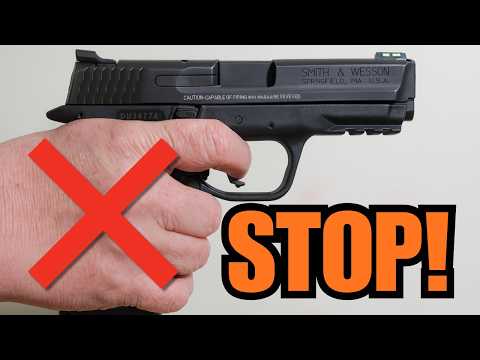
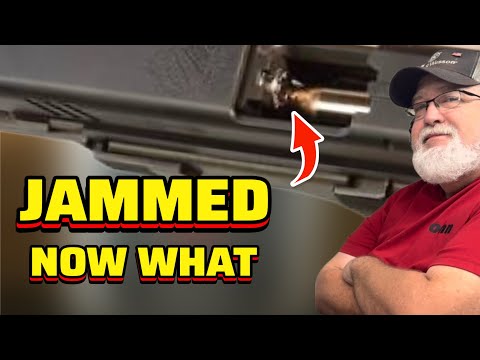
"Limp Wristing" is ESSENTIAL in Reliability Tests

Published on July 24, 2018
Duration: 6:08

This video emphasizes the critical importance of 'limp wristing' during firearm reliability testing. The instructor demonstrates that a firm grip ensures consistent cycling, but intentionally loosening the grip (limp wristing) reveals potential malfunctions that could occur in real-world self-defense situations where a perfect grip isn't always possible. Testing without limp wristing provides an incomplete picture of a firearm and ammunition combination's reliability.

Quick Summary

Limp wristing is essential for firearm reliability testing because it simulates real-world self-defense scenarios where a shooter might not have a perfect, firm grip. This allows you to identify if the firearm and ammunition combination will cycle reliably under less-than-ideal conditions, which is crucial for defensive firearms.

Chapters

  1. 00:00Introduction to Limp Wristing
  2. 00:10Recording Setup and Location
  3. 00:22Addressing Muzzle Rise and Grip
  4. 00:34The Importance of Limp Wristing in Reliability Tests
  5. 00:52Accuracy vs. Reliability Shooting
  6. 01:08Demonstration: Firm Grip Shooting
  7. 01:38Results: 100 Rounds with Firm Grip
  8. 01:46Transition to Limp Wristing Test
  9. 03:10Results: Limp Wristing and Malfunctions
  10. 03:30Why Limp Wristing Matters in Self-Defense
  11. 03:53Real-World Scenarios for Reduced Grip
  12. 04:10Ammunition Recommendation Based on Test
  13. 04:23Conclusion: Test for Reliability First
  14. 04:45Outro and Location
  15. 05:14Filming in Shade

Frequently Asked Questions

Why is limp wristing important when testing firearm reliability?

Limp wristing is crucial for reliability testing because it simulates real-world self-defense scenarios where a shooter might not have a perfect, firm grip. This allows you to identify if the firearm and ammunition combination will cycle reliably under less-than-ideal conditions.

What is the difference between shooting for accuracy and shooting for reliability?

When shooting for accuracy, a firm, consistent grip is essential to keep the firearm steady on target. For reliability testing, however, you must intentionally loosen your grip (limp wrist) to see if the gun will still feed and cycle properly, as this simulates potential real-world grip compromises.

Can a firearm fail if I don't limp wrist it during testing?

Yes, a firearm might function perfectly with a firm grip but fail when limp wristed. This means that while it's accurate, it may not be reliable in situations where your grip is compromised, such as during a self-defense encounter.

What factors can cause a shooter to have a reduced grip on their firearm?

Several factors can lead to a reduced grip, including wet hands, rain, firing one-handed, or being in an awkward position. These situations can effectively cause a 'limp wrist' effect, which is why testing for this is vital for defensive firearms.

More Training & Techniques Videos You Might Like

More from TheYankeeMarshal

View all →