Shoot Better with Proper Structural Alignment

Published on February 22, 2016
Duration: 4:08

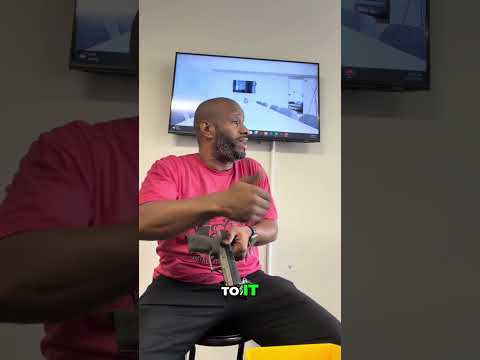
This video from Geauga Firearms Academy, presented by Amerika Needle, details how to achieve a stronger and steadier firearm grip through proper structural alignment. By breaking the support hand's wrist forward and aligning bones rather than relying on muscle, shooters can better manage recoil, maintain target acquisition, and achieve quicker follow-up shots. The technique emphasizes a 'thumbs forward' or 'wrist forward' position for the support hand to leverage skeletal structure against the forces of recoil.

Quick Summary

Structural alignment in your firearm grip, achieved by breaking the support hand's wrist forward, leverages bone structure to manage recoil instead of relying solely on muscle. This technique, demonstrated by Geauga Firearms Academy, leads to a steadier hold, better target retention, and faster follow-up shots.

Chapters

  1. 00:08Introduction to Grip and Structural Alignment
  2. 00:21Importance of High Grip and Surface Area
  3. 00:32How Bone Alignment Aids Grip Strength
  4. 00:52Support Hand Alignment: Thumbs Up vs. Thumbs Forward
  5. 01:04Mechanical Disadvantage of Thumbs Up Grip
  6. 01:22Achieving Structural Alignment with Support Hand
  7. 01:34Demonstrating Grip Alignment Extremes
  8. 01:46Structural Alignment vs. Muscle Force
  9. 02:06Gaining Strength with Thumbs Forward Grip
  10. 02:16Review: Proper Grip and Support Hand Placement
  11. 02:26Support Hand Breaking Forward
  12. 02:47Recoil Management with Left Thumb Downward
  13. 03:03Three Things Coming Straight Forward
  14. 03:06Structural Alignment and Natural Point of Aim
  15. 03:33Key Takeaway: Structure Over Muscle
  16. 03:43Benefits: Target Retention and Follow-up Shots
  17. 03:52Conclusion and Call to Action

Frequently Asked Questions

How does structural alignment improve a firearm grip?

Structural alignment, particularly with the support hand's wrist broken forward, allows your bones to absorb recoil forces. This reduces reliance on muscle strength, creating a steadier grip that helps maintain target acquisition and allows for quicker follow-up shots.

What is the difference between a 'thumbs up' and a 'thumbs forward' grip?

A 'thumbs up' grip requires more muscle to control torque and muzzle rise. A 'thumbs forward' or 'wrist forward' grip, however, uses skeletal structure to manage these forces, leading to a more stable and efficient hold on the firearm.

Why is getting high on the pistol grip important?

Getting as high up on the pistol grip as possible, ideally with your support hand's thumb in a 'thumbs forward' position, maximizes surface area contact. This allows for better control over the firearm and more effective management of recoil through structural alignment.

Can grip technique affect natural point of aim?

Yes, proper structural alignment in your grip can contribute to a more natural point of aim. When your bones are aligned efficiently, the firearm tends to settle into a consistent aiming position, making it easier to acquire your target without significant adjustment.

More Training & Techniques Videos You Might Like

More from Geauga Firearms Academy

View all →