Sunday Shoot-a-Round # 106

Published on January 9, 2022
Duration: 62:34

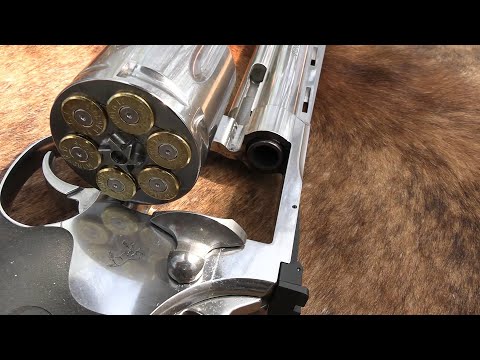
This video features Hickok45 discussing various firearms, primarily revolvers chambered in .44 Special and .44 Magnum. He delves into the nuances of handloading ammunition, emphasizing safety precautions like checking for bullet jump and proper crimping to prevent cylinder lock-up. The discussion also touches on historical firearms accuracy in Western movies and personal reflections on firearm collecting and shooting.

Quick Summary

Hickok45 discusses handloading safety for revolvers, emphasizing the risk of 'bullet jump' due to recoil, which can lock up the cylinder. Proper crimping is crucial to prevent this. He also highlights common historical inaccuracies in firearms depicted in Western movies, advising viewers to be critical of period accuracy.

Frequently Asked Questions

What are the key safety concerns when handloading revolver ammunition?

A primary safety concern is 'bullet jump,' where recoil causes the bullet to shift forward in the case, potentially locking up the cylinder. Proper crimping is essential to prevent this. Always test fire a small batch of newly loaded rounds in the intended firearm to ensure correct chambering and function.

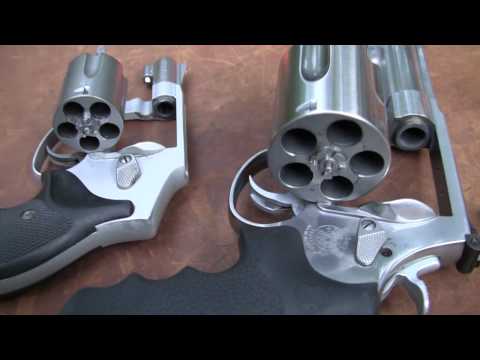
What is the difference between the Smith & Wesson 696 and 686?

The Smith & Wesson 696 is an L-frame revolver specifically chambered in .44 Special, often considered a 3-inch variant. The 686 is typically chambered in .357 Magnum and is also an L-frame, but the 696 has larger cylinder and barrel dimensions to accommodate the .44 caliber.

Why is it important to check for bullet jump when reloading?

Bullet jump occurs when recoil causes the bullet to move forward out of the cartridge case. This can jam the cylinder, preventing the firearm from firing or cycling. It's a critical safety issue, especially with powerful revolvers, and proper crimping is the primary defense against it.

Are firearms in Western movies historically accurate?

Often, firearms in Western movies are not historically accurate. Many productions use firearms that were not available during the film's stated time period, or they use incorrect calibers and models. This is a common point of criticism among firearms enthusiasts.

Related News

All News →

More Training & Techniques Videos You Might Like

More from hickok45

View all →