พามือใหม่มาหัดยิงปืนไรเฟิลครั้งแรก

Published on June 18, 2022
Duration: 18:21

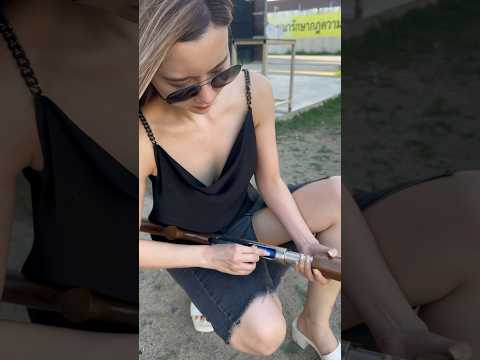
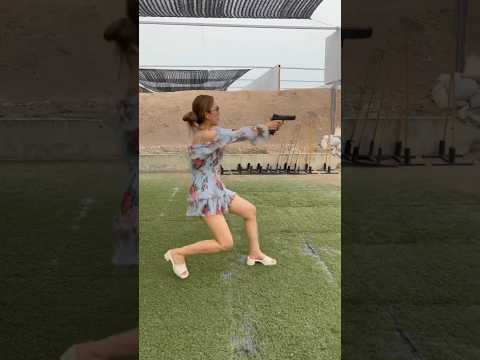
This video provides a beginner's guide to rifle shooting, focusing on fundamental techniques for first-time shooters. It covers proper stance, sight alignment with optics, trigger control, and safe handling practices for various rifle calibers including .22LR, .223, and .308. The instruction emphasizes a smooth trigger pull and consistent follow-through for accuracy.

Quick Summary

Beginner rifle shooting involves mastering fundamental techniques like proper stance, optic alignment, and smooth trigger control. For new shooters, managing recoil is key, with calibers like .223 being more manageable than .308. Maintaining a consistent cheek weld and using appropriate optic magnification (around 16x) are vital for accuracy and comfort.

Chapters

  1. 00:00Introduction and Welcome
  2. 00:23Meeting the Student
  3. 00:35Introducing Rifle Shooting Experience
  4. 00:46Rifle Calibers Overview (.22LR, .223, .308)
  5. 01:00Student's Motivation for Shooting
  6. 01:32Introducing the CZ 457 Hunter
  7. 01:55Optic Setup and Adjustment
  8. 02:06Proper Sight Picture and Alignment
  9. 02:13Hand Placement and Support
  10. 02:29Eye Relief and Field of View
  11. 03:02Target Acquisition and Adjustment
  12. 03:51Understanding the Reticle
  13. 04:12Dry Fire Practice and Trigger Control
  14. 05:31Loading Ammunition
  15. 06:13First Live Shot (.22LR)
  16. 07:20Analyzing Shot Placement
  17. 07:37Second Live Shot (.22LR)
  18. 08:35Third Live Shot (.22LR)
  19. 09:11Transitioning to .223 Caliber
  20. 09:30Preparing for .223 Shooting
  21. 10:07Safety Briefing for .223
  22. 10:31First Live Shot (.223)
  23. 11:13Second Live Shot (.223)
  24. 11:29Shooting at 200 Meters
  25. 11:49Third and Fourth Live Shots (.223)
  26. 12:21Reviewing .223 Performance
  27. 12:29Optic Magnification Advice
  28. 13:03Transitioning to .308 Caliber
  29. 13:19Introducing the .308 Rifle
  30. 13:25Comparing .308 Ammunition
  31. 13:47Recoil Expectation for .308
  32. 13:52Dry Fire Practice (.308)
  33. 14:24Loading Ammunition (.308)
  34. 14:37First Live Shot (.308)
  35. 15:06Second Live Shot (.308)
  36. 15:13Third Live Shot (.308)
  37. 15:47Fourth Live Shot (.308)
  38. 16:24Analyzing .308 Shot Placement
  39. 16:39Importance of Stock Weld
  40. 16:51Student's Overall Experience
  41. 17:02Favorite Rifle Caliber
  42. 17:13Comparing Favorite Rifles
  43. 17:45Building Confidence
  44. 17:48Disclaimer: Not a Formal Course
  45. 17:54Future Content Tease
  46. 18:09Conclusion and Farewell

Frequently Asked Questions

What are the key steps for a beginner learning to shoot a rifle?

Beginners should focus on proper stance, a firm shoulder mount, and aligning the eye with the optic for a clear sight picture. Practicing smooth trigger control, ensuring the reticle is centered on the target, and maintaining a consistent cheek weld are crucial for accuracy and managing recoil.

What is the recommended optic magnification for new rifle shooters?

For new rifle shooters, it's recommended to use optic magnification that is not excessively high. Magnifications around 16x are often considered comfortable and effective, as very high magnification can make aiming more challenging and difficult to keep steady.

How does recoil differ between .223 and .308 caliber rifles?

The .308 Winchester caliber rifle produces significantly more recoil than the .223 Remington caliber. This difference is due to the larger cartridge size and powder charge in the .308, making the .223 a more manageable option for beginners learning to control recoil.

What safety precautions should be taken when learning to shoot a rifle?

Always ensure the firearm is unloaded before handling. Wear appropriate eye and hearing protection at all times. Maintain muzzle discipline, never pointing the firearm at anything you are not willing to destroy, and be aware of your target and what lies beyond it.

Related News

All News →

More Training & Techniques Videos You Might Like

More from Naaming Kotchanok

View all →