Channel: @mossbergcorp
This video details late-season turkey hunting strategies on public land in the Midwest, emphasizing the importance of landowner relations for accessing prime spots. It showcases techniques for locating and harvesting 'silent' turkeys in dense hardwood environments, including patient observation, strategic positioning, and capitalizing on opportune moments. The hunt highlights how to adapt to challenging conditions like wind and thick cover to achieve success.
This video chronicles a turkey hunt in Nashville, focusing on the journey of singer-songwriter Jasper Charles as he pursues his first gobbler. The narrative highlights the importance of patience and strategic decoy placement in hunting, drawing parallels to Jasper's own life experiences and career aspirations. The hunt culminates in a successful harvest, emphasizing the rewarding nature of perseverance in both outdoor pursuits and personal dreams.
This guide details late-season turkey hunting strategies, focusing on identifying and utilizing 'strut zones' where gobblers display. The video emphasizes the importance of patience and understanding turkey behavior during transition periods, particularly when younger hens are present. It highlights key characteristics of effective strut zones, such as open terrain, good visibility, and elevation, and suggests using drones for scouting. The core technique involves setting up in these zones, calling minimally, and waiting for the bird to commit.
This video offers a practical turkey hunting tactic for situations where birds are not vocal in the morning. The instructor emphasizes slowing down, finding a strategic listening point, and patiently waiting for gobblers to make noise, rather than blindly moving through the woods. This approach is particularly effective in dry, noisy conditions and hilly terrain.
This guide focuses on crucial shotgun shooting techniques for turkey hunting, emphasizing the importance of staying on the gun after the shot to avoid missing. It details how to maintain proper head position, overcome anticipation of recoil, and leverage optics for improved accuracy. The advice comes from experienced hunters and marksmen, highlighting common mistakes and solutions for consistent success in the field.
This video demonstrates techniques for locating a wounded turkey after a shot. It emphasizes allowing the bird time to conceal itself in cover and then carefully searching for it. The narrative highlights the camaraderie and unselfishness often found among turkey hunters.
This video offers expert advice for hunting pressured turkeys, emphasizing the importance of strategic calling locations. The instructor advises against calling from common, high-pressure spots, especially later in the season. Instead, hunters should think 'outside the box' and consider less obvious locations where a hen might be, or areas that haven't been frequently called from, to increase receptiveness from wary gobblers.
This guide from Mossberg, featuring experienced turkey hunters, delves into effective decoy strategies for hunting toms. It emphasizes understanding turkey behavior and using decoys to play the percentages, particularly advocating for a strutter and hen combination. The advice covers optimal decoy placement to maintain shooting range and highlights situations where decoys should be avoided, such as in dense woods where natural cover is sufficient.
This video demonstrates a big woods turkey hunting technique in New Hampshire, focusing on strategic calling and patient positioning. The hunter, Steve, utilizes a Mossberg shotgun with a red dot optic and a mouth call to locate and harvest turkeys. The guide highlights the importance of assessing turkey locations, moving stealthily, and adapting calling strategies based on responses, culminating in successful shot placement after an initial miss.
This guide, presented by an expert from Mossberg, details the three essential turkey calls: the yelp, cluck, and cut. It emphasizes that perfect calls are less important than sounding like a hen and highlights the critical role of silence in successful turkey hunting. The instruction draws on wisdom from legendary hunters like Tom Kelly and Ben Rogers Lee.
This video, presented by a Mossberg representative, details a critical mistake made during a turkey hunt: a lack of patience. The speaker, an experienced hunter, reflects on how impatience led to losing a gobbler. The core lesson emphasizes waiting at least 30 minutes after the final call, especially for new hunters, to allow the bird to commit or move off, creating new tactical opportunities. The content highlights regional differences in hunting patience and shares personal hunting experiences to illustrate the point.
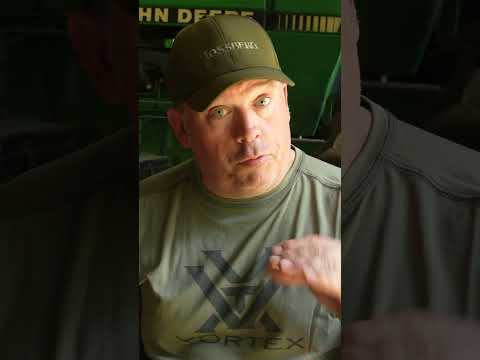
Expert Jason Cruise, wearing a Mossberg hat and Vortex shirt, provides instruction on authentic turkey calling. He highlights common mistakes hunters make by yelping too slowly and advises listening to real hen turkey calls to master a cleaner, quicker cadence. This technique is crucial for effectively attracting gobblers by mimicking a hen's natural vocalizations.