This guide details a method for painting a rifle using rattle cans and camouflage netting, as demonstrated by Ivan from Kit Badger. The process involves careful masking, applying base and subsequent color layers with varied patterns, and a final dusting coat to achieve a durable camouflage finish. The instructor emphasizes the importance of environmental conditions for paint curing and offers practical reasons for painting firearms, including aesthetics and heat management.
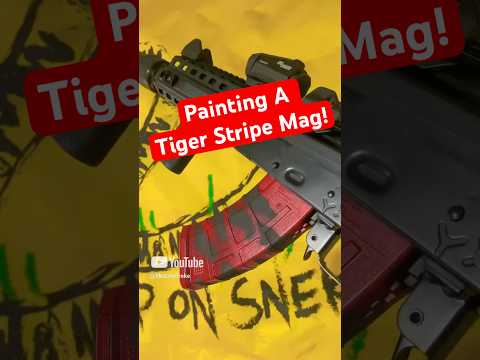
This YouTube #shorts video focuses on how to paint tiger stripes, a popular camouflage pattern. While the title and description do not explicitly mention firearms, the context of tiger stripes is often associated with military vehicles, gear, and sometimes custom firearm finishes. Therefore, tags are generated assuming a potential application in firearm customization or related aesthetic trends.
This guide details the specific application and curing process for Cerakote Type H. It emphasizes proper mixing ratios (24:1 color to hardener), application techniques for complex angles, and crucial pre-cure cleanup. The guide also highlights the importance of avoiding smudges before baking, as post-cure repairs are impossible, and outlines the correct oven curing procedure for optimal adhesion and finish.
This guide details the process of applying DuraCoat firearm and knife finish, as demonstrated by Nutnfancy. It covers essential preparation, mixing ratios, and airbrushing techniques for achieving a durable, custom finish on a Ruger 10/22 and various knives. The emphasis is on meticulous prep work for optimal adhesion and the use of specialized tools for custom modifications.
You've reached the end! 4 videos loaded.
Gun Laws by State
Read firearms regulations for all 50 states + D.C.
Find Gun Dealers
Search licensed FFL dealers near you.