This video documents Cornbread's first Osceola turkey hunt in Florida, guided by Matt from Triple M Outfitters. The hunt highlights the unique characteristics of Osceola turkeys, including their larger spurs and distinct wing patterns. The narrative follows the challenges and eventual success of the hunt, emphasizing the importance of patience and strategic positioning in turkey hunting.
This video demonstrates a method for painting a Mark 18 rifle using a snakeskin netting technique with Halloween fishnet leggings. The host, Nighthawk, emphasizes the importance of camouflage for breaking up the black silhouette of a rifle to blend with surroundings. While the initial tan color ran out, the process adapted, resulting in a custom look that also fostered a personal attachment to the firearm.
This video demonstrates a big woods turkey hunting technique in New Hampshire, focusing on strategic calling and patient positioning. The hunter, Steve, utilizes a Mossberg shotgun with a red dot optic and a mouth call to locate and harvest turkeys. The guide highlights the importance of assessing turkey locations, moving stealthily, and adapting calling strategies based on responses, culminating in successful shot placement after an initial miss.
This video, presented by a Mossberg representative, details a critical mistake made during a turkey hunt: a lack of patience. The speaker, an experienced hunter, reflects on how impatience led to losing a gobbler. The core lesson emphasizes waiting at least 30 minutes after the final call, especially for new hunters, to allow the bird to commit or move off, creating new tactical opportunities. The content highlights regional differences in hunting patience and shares personal hunting experiences to illustrate the point.
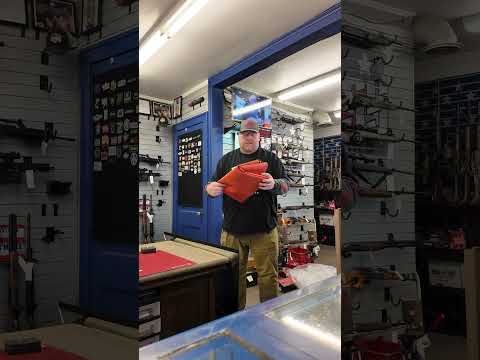
This video demonstrates the effectiveness of various common household items in obscuring a human heat signature when viewed through a Nocpix VISTA S50R thermal monocular. Expert instruction from D'Boss Firearms shows that materials like blankets, tarps (Mylar side), cardboard, and mirrors can effectively block thermal detection, while bubble wrap and plastic bags are insufficient. The guide emphasizes the importance of avoiding direct body contact with obscuring materials to prevent heat transfer.
This guide focuses on effective property navigation for turkey hunting, emphasizing stealth and terrain use. The speaker, demonstrating an experienced authority, advises hunters to avoid open fields and instead leverage natural cover to approach turkeys undetected. Proper use of the environment is key to a successful hunt.
This guide details a turkey hunting technique focused on observing gobbler behavior and body posture to anticipate their movements, particularly when crossing obstacles like creeks. It emphasizes patience over aggression, drawing on experienced hunter David Harold's insights. The strategy involves engaging the bird and moving into its zone when it shows commitment to crossing, rather than relying solely on aggressive tactics.
This video debunks the myth that an umbrella can completely hide a person from thermal detection. While an umbrella might obscure a signature when a drone scans a large area, it offers no protection if the drone is directly observing the target. The content emphasizes understanding the limitations of thermal countermeasures.
This video from FalconClaw, featuring expert instructor Callsign_Gundoctor, explains the principles of thermal signature management in tactical gear. It demonstrates how materials like ripstop tarps, while offering camouflage, do not inherently block thermal detection once in contact with a heat source like the human body. The content highlights the limitations of passive thermal blocking in clothing and gear.
This guide demonstrates how an umbrella can be an effective tool for temporarily obscuring a heat signature from thermal observation, particularly when used with drones. The test shows a clear difference in visibility when the umbrella is open versus closed, highlighting its utility for stealth in certain scenarios.
This guide, drawing on the expertise of Adam from Spiritus Systems, a former member of the 10th Mountain Division, details essential gear and techniques for arctic warfare. It covers adapting firearms like the M4 Carbine with camouflage and modifications for cold weather, implementing layered hand protection, utilizing specialized clothing systems such as ECWCS, and optimizing sleep, hydration, and nutrition for extreme cold environments. The advice emphasizes self-sustainment and practical field modifications learned through extensive military and mountaineering experience.
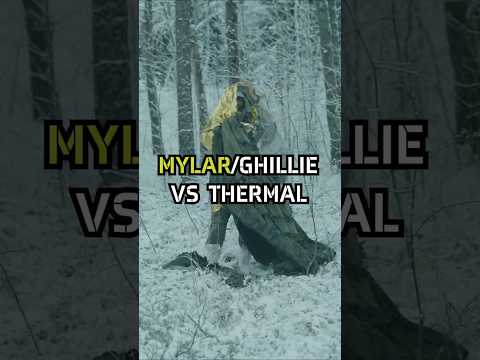
This video from FalconClaw tests a DIY thermal cloak constructed from Mylar, a woobie (poncho liner), and a ghillie suit. The presenter, demonstrating high authority in practical tactical concealment, found the cloak ineffective for direct body wear due to heat bleed-through, even with multiple layers. Its only viable application is as a stand-off blind, though it remains detectable from the sides. The setup is noisy and time-consuming, making it impractical for field use.
Gun Laws by State
Read firearms regulations for all 50 states + D.C.
Find Gun Dealers
Search licensed FFL dealers near you.