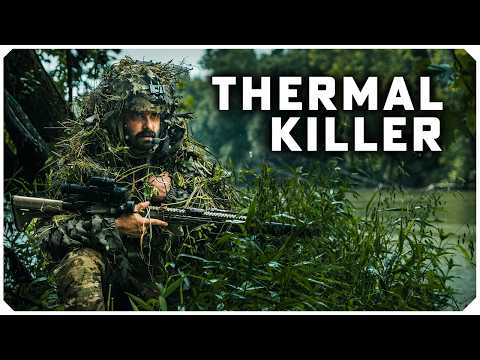
Ghillie + Mylar = Anti thermal?

Published on February 13, 2026
Duration: 2:28

This video from FalconClaw tests the effectiveness of a DIY three-layer thermal cloak (Mylar, woobie, ghillie) for anti-thermal concealment in winter. The presenter, demonstrating high authority in practical tactical applications, found the setup impractical due to noise and setup time, with thermal signatures still bleeding through when in contact with the body. The cloak showed moderate effectiveness only when used as a stand-off blind away from the user.

Quick Summary

A DIY thermal cloak using Mylar, a woobie, and ghillie suit material is largely ineffective for close-contact concealment against thermal imaging. Mylar blankets are impractical due to noise and setup time. Moderate effectiveness is achieved only when used as a stand-off blind away from the body.

Chapters

  1. 00:00Introduction: Winter Thermal Concealment Challenge
  2. 00:16Layering Strategy: Mylar, Woobie, Ghillie
  3. 00:31Practicality Test: Noise & Setup Time Issues
  4. 01:01Mylar & Woobie Layer Test Results
  5. 01:29Multi-Layer Test at 100 Meters
  6. 02:08Stand-off Blind Effectiveness Analysis

Frequently Asked Questions

Does a Mylar blanket combined with a ghillie suit block thermal imaging?

Testing by FalconClaw indicates that a DIY thermal cloak using Mylar, a woobie, and ghillie suit material is largely ineffective for close-contact concealment against thermal imaging. While it might offer some minor reduction, significant heat signatures still bleed through.

What are the practical drawbacks of using a Mylar blanket for thermal concealment?

Mylar blankets are highly impractical for tactical use due to their tendency to generate excessive noise when moved. Additionally, they require a significant setup time, estimated at 5-10 minutes, making them unsuitable for dynamic field operations.

Can a DIY thermal cloak be effective against thermal cameras?

A DIY thermal cloak can be moderately effective when used as a stand-off 'blind' or wall, positioned away from the body. However, when worn directly, thermal signatures conduct through the layers and remain detectable, especially at contact points.

What is the best way to use a thermal cloak for concealment?

The most effective use case for a DIY thermal cloak, according to tests, is as a stand-off blind or wall. This means positioning the cloak material away from your body to act as a barrier, rather than wearing it directly for concealment.

More Tactical & Gear Videos You Might Like

More from FalconClaw

View all →