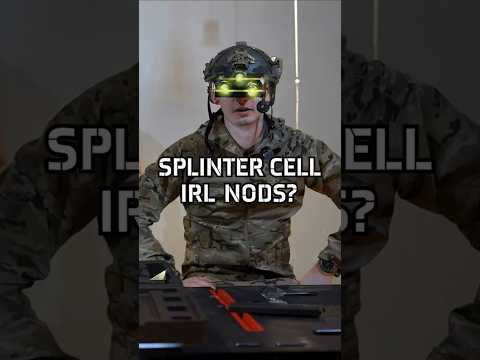
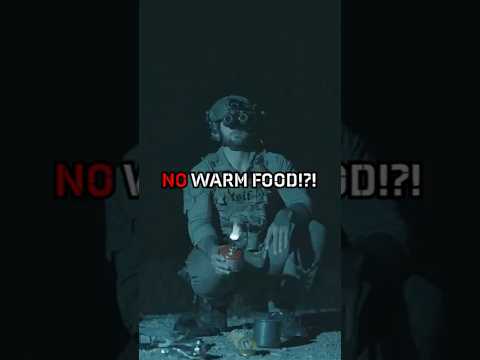
This guide details how to assess the visibility of night vision goggle (NVG) glow at various distances, from 5 to 35 meters, based on expert experience. It covers detection in different environments, the importance of auto-shutoff features, and practical considerations like lens fogging versus glow mitigation. The insights are derived from a presenter with high authority, likely from military or tactical service, emphasizing practical application and gear trade-offs.
This guide details the modification of a SureFire Scout Light Pro by replacing the pressure pad with a click-on/off tailcap, a technique discussed by DJ Shipley from GBRS Group. This modification is recommended to prevent accidental light discharges, which can have severe operational consequences in tactical environments. The video showcases this on a custom MK1 build featuring various high-end accessories.
This guide details a general-purpose chest rig setup by Brass Facts, emphasizing modularity and field utility. It covers the Beez AR Recon Chest Rig, versatile magazine pouches, essential communication gear like the Motorola XTS 2500 with a Disco 32 mic, navigation tools, and a thermal imager. The setup prioritizes quick access and integration with a rucksack for sustainment, reflecting an experienced, field-focused approach to tactical gear.
This YouTube video from GBRS GROUP focuses on the tactical application of pistol flashlights. It details when and how to effectively utilize a weapon-mounted light in various scenarios. The description heavily promotes the GBRS GROUP Patreon for exclusive content and provides links to their website, social media (Instagram, TikTok, Facebook, X), and individual team members' Instagram profiles.
This review from FalconClaw critically examines a budget digital night vision device, highlighting its limitations in practical field use. The instructor notes issues with button illumination, extreme zoom hindering navigation, and the IR illuminator's potential to compromise stealth. Ultimately, the assessment suggests that for the price, high-quality tactical flashlights may offer superior value and effectiveness.
This guide outlines how to assess digital night vision binoculars for tactical applications, focusing on features like zoom, IR illuminator effectiveness, and critical light discipline issues. The review highlights significant drawbacks such as excessive light spill from the screen and IR, making the user highly visible to others with night vision, and suggests the device is more akin to a flashlight than a covert observation tool. It emphasizes the importance of understanding a device's limitations in real-world scenarios.
This guide breaks down the 13 critical tactical skill sets required for effective scavenging, as detailed by Dirty Civilian. It emphasizes a structured approach to survival, moving beyond romanticized notions to practical application of skills like SLLS, threat assessment, and route planning. The content is presented with a high degree of authority, drawing on simulation and historical precedent.
This video demonstrates essential low-light tactical training for firearm proficiency. The host, an experienced reviewer, showcases drills focusing on target identification, light discipline, and weapon transitions using an AR-15 and a semi-automatic pistol, both equipped with weapon-mounted lights and suppressors. The session emphasizes practical application of gear in low-visibility conditions for enhanced situational awareness and effective engagement.
This video, presented by a speaker with high authority and serious, instructional tone, demonstrates critical light discipline techniques for individuals operating in tactical environments. It highlights how smoking can create a detectable light signature, especially when using night vision, and provides practical methods to mitigate this risk, such as covering the light source or positioning it near the ground. The AR-15 style rifle and 'Sif' patch on tactical gear suggest a military or law enforcement context.
This guide details techniques for minimizing the light signature of a portable gas stove during nighttime operations, crucial for maintaining operational security. It emphasizes using terrain and digging concealment pits to block line of sight, as stove flames are easily detectable with night vision devices from significant distances. The instruction comes from an expert demonstrating proficient use of tactical gear and fieldcraft.
This video, presented by FalconClaw, offers expert-level insights into tactical gear selection, specifically comparing analog and smartwatches for low-visibility operations. The speaker, demonstrating high authority through practical field testing with NVGs, emphasizes the critical importance of light discipline in tactical environments. The core takeaway is that traditional analog watches with luminescent dials are vastly superior to smartwatches for maintaining a low signature, crucial for operational security.
This guide, presented by Shortshot Tony, an experienced tactical gear enthusiast, outlines a technique for using a handheld flashlight in conjunction with concealed carry. It emphasizes light discipline, advocating for handheld lights over weapon-mounted lights for everyday carry to avoid inadvertently pointing a firearm. The technique involves using the flashlight to disorient a threat before drawing and engaging with a concealed pistol.
Gun Laws by State
Read firearms regulations for all 50 states + D.C.
Find Gun Dealers
Search licensed FFL dealers near you.