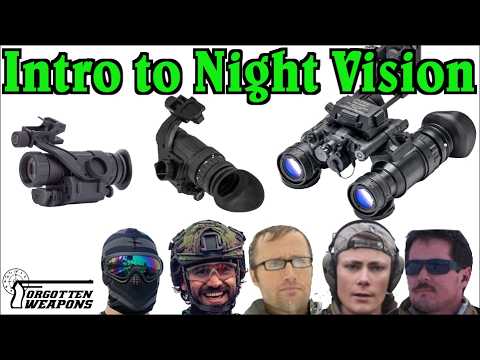
This Q&A session with night vision experts provides guidance for beginners looking to enter the world of night vision. Key recommendations include prioritizing analog PVS14 units for their value and performance, avoiding digital night vision for serious use, and understanding the importance of good glass quality over high FOM. The discussion also covers entry-level budget options, DIY setups, and practical considerations for shooting and gear integration.
This review from FalconClaw critically examines a budget digital night vision device, highlighting its limitations in practical field use. The instructor notes issues with button illumination, extreme zoom hindering navigation, and the IR illuminator's potential to compromise stealth. Ultimately, the assessment suggests that for the price, high-quality tactical flashlights may offer superior value and effectiveness.
This video offers a skeptical look at budget night vision devices available on platforms like Temu, contrasting them with professional-grade gear. The FalconClaw hosts, demonstrating high authority and expertise, investigate whether affordable options can meet the needs of support personnel, like chefs, who require basic night vision capabilities without the cost of high-end tactical equipment. The content highlights a comparison setup for real vs. Temu NVGs.
This guide outlines how to evaluate budget night vision binoculars, using the Temu platform as an example. It emphasizes scrutinizing advertised specifications like 4K resolution and 600m visibility range, which are often exaggerated on low-cost digital devices. The assessment also covers checking for practical features like mounting systems and critically comparing price against potential real-world performance, drawing on insights from tactical gear reviewers.
This video provides a critical review of budget night vision devices purchased from Temu, contrasting them with professional-grade analog units from FalconClaw. The expert instructors highlight that while cheap digital night vision exists, it is largely unsuitable for tactical applications due to poor performance and reliance on active IR illumination. They emphasize the significant advantages of analog image intensifier systems like the PVS-14 for serious users.
This video provides an expert overview of night vision gear for home defense and preparedness, explained by a former Navy SEAL. It details the advantages of night vision, such as seeing without being seen, and discusses various types including helmet-mounted, weapon-mounted, and handheld devices. The guide emphasizes the importance of Figure of Merit (FOM) for image clarity and warns against low-cost digital alternatives, recommending a minimum FOM for effective use.
This video provides a direct comparison between an extremely budget-friendly $10 digital night vision device from Temu and a professional $10,000 analog night vision setup. The host, identified as an established tactical gear reviewer, highlights significant differences in performance, particularly concerning the visible IR signature of the budget unit and the superior real-time image quality of the professional analog system. The review emphasizes the trade-offs between cost and capability in night vision technology.
This video provides an expert comparison between analog and digital night vision devices, detailing their core technologies. Analog NVGs use intensifier tubes with phosphor screens (green or white), while digital NVGs employ sensors and internal projection screens. The speaker highlights that while digital technology is advancing, analog currently offers superior efficiency, though future hybrid systems are anticipated.
This video explores budget-friendly night vision setups, focusing on the PVS-14 Gen 2+ as a cost-effective option. It highlights the limitations of 'skullcrusher' mounts, which are uncomfortable and can cause wobble, and suggests that while analog NVG is still dominant for helmet-mounted applications, digital options are often overpriced for their performance. The presenter emphasizes the importance of upgrading from basic skullcrusher mounts to more comfortable and stable helmet-mounted solutions for better usability.
This video compares budget digital night vision (SiteMark Wraith, ~$700) with high-end analog night vision (Armasight BMVD 51s, ~$7000). The digital option is suitable for basic scanning and hunting but suffers from low refresh rates, grainy images, and reliance on IR illuminators. The analog units offer superior clarity, wider field of view, and real-time performance crucial for tactical applications and professional use, despite lacking built-in recording capabilities.
This video explores digital night vision goggle (NVG) technology, posing a question to the audience for their thoughts and opinions. While the specific application or brand of NVGs isn't detailed in the provided information, the title suggests a discussion or review of this specialized optical equipment.
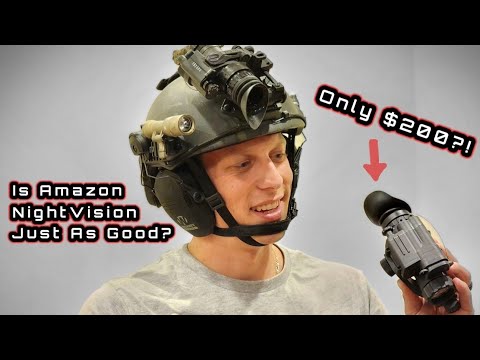
This guide details a comparison between a budget Amazon night vision monocular and a professional PVS-14 unit, as presented by Tactical Advisor. The expert assessment highlights significant performance differences, particularly in low-light conditions, image clarity, and build quality, concluding that the budget option is not a viable substitute for professional tactical use. The comparison emphasizes the value of investing in high-quality night vision for critical applications.
Gun Laws by State
Read firearms regulations for all 50 states + D.C.
Find Gun Dealers
Search licensed FFL dealers near you.