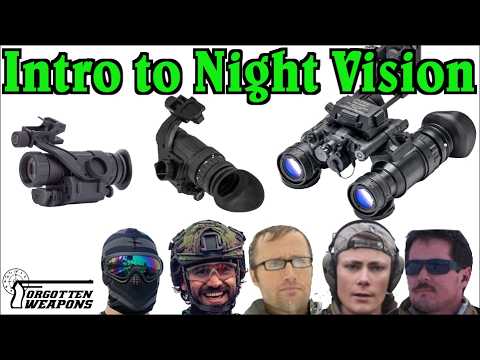
Skullcrusher + PVS 14 Gen 2+ The Cheapest Night Vision Setup

Published on June 28, 2024
Duration: 8:13

This video explores budget-friendly night vision setups, focusing on the PVS-14 Gen 2+ as a cost-effective option. It highlights the limitations of 'skullcrusher' mounts, which are uncomfortable and can cause wobble, and suggests that while analog NVG is still dominant for helmet-mounted applications, digital options are often overpriced for their performance. The presenter emphasizes the importance of upgrading from basic skullcrusher mounts to more comfortable and stable helmet-mounted solutions for better usability.

Quick Summary

Budget night vision options like the PVS-14 Gen 2+ start around $2500. While analog NVG is preferred for helmet mounting, digital is often overpriced. Basic 'skullcrusher' mounts are uncomfortable and unstable, though minor DIY fixes can help. Upgrading to a dedicated helmet mount significantly improves usability.

Chapters

  1. 00:01Budget Night Vision Contradiction
  2. 00:11Analog vs. Digital NVG
  3. 00:31Cost Barrier for Average Users
  4. 01:03Sponsor Introduction: Noise Fighters
  5. 01:18Sponsor Introduction: Optics Force
  6. 01:38Choosing a Single Tube Setup
  7. 01:50The Skullcrusher Mount
  8. 02:02Intentional Budget Approach
  9. 02:12NVG Accessories: Pads and Fit
  10. 02:39Skullcrusher Frame Design
  11. 02:53Rhino Mount and J-Arm
  12. 03:06Mount Variations and Stability
  13. 03:26DIY Mount Improvement
  14. 03:41The Problem with Skullcrushers
  15. 04:04Cost vs. Comfort
  16. 04:22Basic Functionality of Skullcrushers
  17. 04:39Limitations of Passive Aiming
  18. 04:52Helmet Upgrade Impact
  19. 05:05Testing Skullcrushers Exclusively
  20. 05:18The Name Implies Discomfort
  21. 05:24Thank You and Future Content

Frequently Asked Questions

What is considered a budget option for night vision?

A budget option for night vision, as discussed in the video, is the PVS-14 Gen 2+ unit, which starts around $2500. While still expensive, it's presented as a more accessible entry point compared to higher-end systems.

What are the main drawbacks of a 'skullcrusher' night vision mount?

The primary drawbacks of a skullcrusher mount are significant discomfort due to its design, and instability that leads to wobble when moving. This can make using the night vision device a miserable experience.

Is analog or digital night vision better for helmet mounting?

For true helmet-mounted equipment, analog night vision is still considered the dominant option. Digital night vision is often seen as overpriced for its performance in this specific application.

How can the stability of a skullcrusher mount be improved?

The presenter suggests a simple DIY fix to improve stability and alignment on a skullcrusher mount: using a hair tie as a bungee to better position the night vision device and reduce wobble.

Related News

All News →

More Tactical & Gear Videos You Might Like

More from FocusTripp

View all →