Do Civilians Actually Need Helmets? | A Look at the Hard Head Veterans Bump Helmet

Published on March 14, 2026
Duration: 15:57

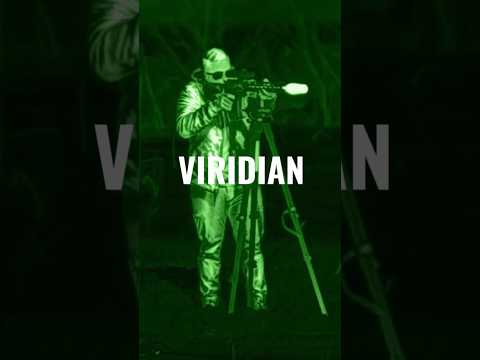
This video explores the utility of helmets for civilians, particularly in training and night vision applications. It differentiates between ballistic and bump helmets, highlighting bump helmets as a practical choice for impact protection and mounting accessories. The presenter details their personal Hard Head Veterans AT bump helmet setup, including M-LOK rails, Peliator adapters for Howard Leight ear protection, a Krydex Mohawk battery pouch, and various lights, emphasizing hands-free operation and modularity.

Quick Summary

Helmets are becoming more common for civilians, especially for night vision use and training. Bump helmets offer impact protection and accessory mounting without ballistic capabilities, making them practical for civilian training. Ballistic helmets provide protection against projectiles but are heavier and more expensive.

Chapters

  1. 00:00Introduction: Civilian Helmet Need
  2. 01:54Why Helmets Are More Common Now
  3. 03:33Ballistic vs. Bump Helmets
  4. 05:46Personal Bump Helmet Setup
  5. 06:37Hard Head Veterans AT Helmet Review
  6. 07:36Retention and Chin Strap System
  7. 08:28M-LOK vs. ARC Rails
  8. 08:53Ear Protection Integration
  9. 10:00Howard Leight EarPro Setup
  10. 10:52Rear Helmet Accessories
  11. 11:47Front Helmet Accessories
  12. 12:25Articulating Flashlight Use
  13. 13:45Helmet Shroud and NVG Mounts
  14. 14:11Favorite Helmet Accessory
  15. 14:35Conclusion: Is a Helmet Necessary?

Frequently Asked Questions

What is the main difference between a ballistic helmet and a bump helmet?

A ballistic helmet is designed to protect against projectiles like bullets and fragmentation, often meeting NIJ standards. A bump helmet, conversely, is designed for impact protection against bumps, falls, and collisions, but does not offer ballistic protection.

Why are civilians increasingly using helmets in training environments?

Helmets are becoming more common for civilians due to the increasing accessibility of night vision technology, which is designed to be mounted on helmets. They also provide a stable platform for other accessories and offer basic impact protection during rigorous training.

What are the advantages of mounting night vision to a helmet?

Mounting night vision devices to a helmet allows for hands-free operation and provides a stable viewing platform. This is crucial as NVGs can be heavy, and a helmet distributes their weight comfortably for extended use.

What type of helmet does the presenter recommend for civilian training and accessory mounting?

The presenter recommends a bump helmet for civilian training and accessory mounting. He uses a Hard Head Veterans AT bump helmet, highlighting its comfort, modularity with M-LOK rails, and suitability for carrying accessories without the need for ballistic protection.

Related News

All News →

More Tactical & Gear Videos You Might Like

More from Concrete Cowboy

View all →