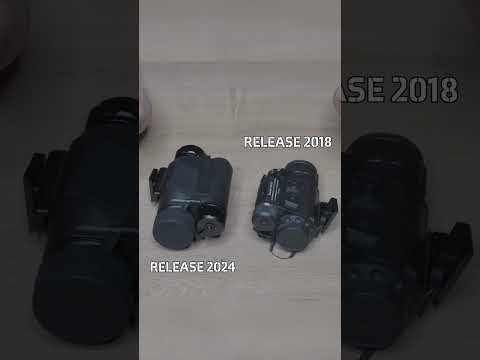
This video provides a first look at the Vortex Veil 400 thermal imager, highlighting its user-friendly design, familiar interface modeled after Vortex rangefinders, and suitability for hunters. The reviewer emphasizes its ease of use, photo/video capture capabilities, and internal storage, while also noting limitations in extreme detail compared to high-end models. The device is presented as a solid, mid-range option for those seeking to quickly scan and identify heat sources in the field.
This video demonstrates the use of an Arma City Sidekick unit, which combines a PVS-14 night vision device with a thermal imager. The presenter shows how to use these tools to overcome darkness, identify heat signatures of wildlife like wild chickens and coyotes, and enhance situational awareness in low-light conditions. The thermal accessory is highlighted for its ability to detect otherwise invisible heat sources.
This guide details the tactical technique of employing a hybrid NVG and thermal imager setup, as demonstrated by the FalconClaw Host. It covers mounting procedures and operational use in scenarios like trench assaults, emphasizing the thermal imager's advantage in smoke. The instruction comes from a high-authority source with practical field demonstration experience.
This video from Tática Civil highlights three critical errors to avoid when using night vision devices, specifically the PVS-14. It emphasizes proper lens capping to prevent internal damage, removing batteries when not in use to avoid corrosion and accidental activation, and maintaining discretion about ownership to preserve a strategic advantage.
This guide outlines essential preparation steps for hunting season, emphasizing the importance of checking local laws, maintaining firearms, and verifying all gear. It covers inspecting rifle hardware, confirming zero, and ensuring essential equipment like knives and emergency supplies are ready. The advice is geared towards ensuring a safe and successful hunting experience.
This video reviews two budget thermal imagers, the Rix Pocket K2 and the ATN Blaze Seeker, both priced around $500. The instructor highlights that while these devices offer increased affordability in thermal technology, their 256 core resolution limits effective identification beyond 200-300 yards. They are presented as viable options for hunting bags or go-bags where extreme durability or identification at extreme ranges isn't the primary concern.
This guide details the advanced technique of combining Night Vision Goggles (NVG) with a thermal imager, often mounted on a helmet bridge. Expert instruction from FalconClaw demonstrates how this hybrid setup offers a significant tactical advantage, allowing operators to see through smoke and darkness simultaneously. This 'new meta' in tactical gear is crucial for maintaining situational awareness in challenging environments.
This video provides a first look at several new pieces of tactical and outdoor gear. It covers the AGM StingIR thermal imager, highlighting its versatility as a monocular or clip-on optic for LPVOs. It also introduces the Noise Fighters PanoBridge M1 and AX4 mount, designed to enhance night vision setups. Finally, the Stone Glacier Chilkoot 15 down sleeping bag is presented as a durable and warm option for cold-weather outdoor activities.
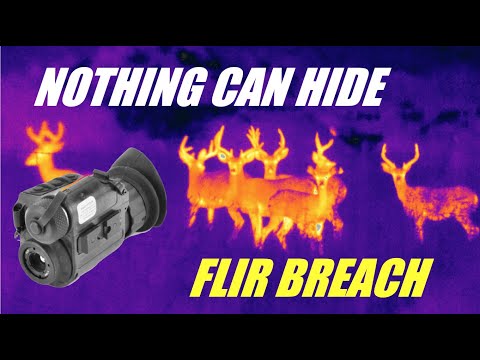
This video compares the FLIR Breach and the Jerry YM thermal imagers, highlighting their differences in resolution, image quality, and price point. The Jerry YM offers nearly double the resolution of the FLIR Breach, resulting in a crisper image with more detail, despite both devices being similarly sized and weighted. The FLIR Breach is noted as being made in the USA, while the Jerry YM is manufactured in China.
This review of the FLIR Breach PTQ 136 thermal imager highlights its effectiveness in detecting body heat and identifying targets in various conditions, from wilderness to urban environments. While acknowledging its high cost and some usability drawbacks like battery life and button layout, the reviewer emphasizes its significant tactical advantage for night operations and hunting. The device utilizes a FLIR Boson thermal core and offers multiple viewing palettes to enhance target acquisition.
This video showcases the performance of the Infiray E6+ v3.0 handheld thermal monocular. Released in early 2021, it was the first Iray thermal imager with a NETD of ≤25mk. The content features the monocular being used to observe targets at various distances and demonstrates different color palettes for thermal imaging. The focus is on the capabilities and effectiveness of this specific thermal optic.
This video focuses on selecting the appropriate helmet mount for night vision devices, specifically discussing three dovetail mount options. These mounts are suitable for bridged PVS-14s, bridged thermal imagers, or binocular night vision setups. The video aims to help viewers make an informed decision when purchasing night vision mounts and includes promotional codes for steel targets.
Gun Laws by State
Read firearms regulations for all 50 states + D.C.
Find Gun Dealers
Search licensed FFL dealers near you.